Key Takeaways
- Knee replacement surgery replaces damaged knee joint parts with a prosthetic knee joint made of metal and plastic to restore knee function and relieve pain.
- Total knee replacement involves resurfacing the entire knee joint, while partial knee replacement targets only the damaged compartment.
- Proper pre-surgery preparation, including medical assessments, medication review, and home modification, is vital for a smooth recovery.
- Recovery typically takes up to 12 months, with most patients resuming everyday tasks within 3 to 6 weeks.
- Physiotherapy is essential throughout recovery to restore knee motion, muscle strength, and improve overall function.
- Pain management includes medications, ice, and elevation, with pain gradually decreasing over months. For more detailed information on pain management and recovery, you can visit the Cleveland Clinic’s guide on knee replacement and Johns Hopkins Medicine’s knee replacement surgery overview.
- Possible complications include blood clots, infection, neurovascular injury, and prosthetic loosening, though serious issues are rare.
- Maintaining a healthy lifestyle, following medical advice, and attending follow-up appointments help extend the life of the knee prosthesis.
- Communication with your healthcare team is crucial; report any unusual symptoms promptly.
- Life after knee replacement involves ongoing low-impact exercise, weight management, and avoiding high-impact activities to protect the new joint.
Quick note: every person’s situation is different. Please talk to your surgeon or doctor about your specific circumstances. This guide is here to help you ask the right questions not replace professional medical advice.
What Is Knee Replacement Surgery?
Knee replacement surgery technically called knee arthroplasty, replaces the damaged or worn-out parts of your knee joint with an artificial joint (prosthesis) made of metal and plastic parts. This artificial joint is custom-designed to restore function, reduce pain, and imitate the natural movement of the knee.
The knee joint itself is made up of the thigh bone (femur) and shin bone (tibia). These bones are held together by strong ligaments. Articular cartilage covers the ends of the femur and tibia, providing a smooth, lubricated surface for pain-free movement, while joint cartilage protects bones from friction during movement. When the articular cartilage breaks down, usually due to osteoarthritis, the joint becomes painful, stiff, and hard to move.
Articular cartilage is different to the well-known cartilage shock absorbers, known as the menisci. The menisci sit in the joint space between the tibia and femur, acting like a strong, spongy force-buffer. Damaged menisci are usually treated using key-hole surgery, which is very different to knee replacement surgery.
Knee replacements involve removing the damaged bone and articular cartilage from the damaged knee joint, and replacing it with a prosthesis designed to work just like a healthy knee. By resurfacing the parts of the knee joint that have been damaged, the end-goal is a less painful knee. Knee replacement surgery can also correct deformity of the leg, improving alignment and function.
This surgery is most commonly recommended for people with osteoarthritis, but rheumatoid arthritis and post-traumatic arthritis are also common surgical indicators. Severe arthritis is characterized by advanced osteoarthritis or rheumatoid arthritis, confirmed by X-rays.
Knee injury (such as fractures, torn cartilage, or ligament tears) and joint deformity (leading to bow-legged or knock-kneed conditions) are also reasons for knee replacement, however, the most common reason for knee replacement surgery is to reduce the severe pain caused by osteoarthritis. Knee replacement is typically considered a last resort for severe, chronic knee pain that does not respond to other treatments.
You might be a good knee replacement candidate if you’re experiencing:
- Persistent knee pain that makes it hard to walk, climb stairs, or get up from a chair
- Knee pain that doesn’t ease up even when you’re resting
- Stiffness that limits how much you can bend or straighten your knee
- Little to no improvement from physio, medications or injections
It’s worth knowing that over 700,000 knee replacements are performed every year in the US alone, and about 90% of patients report significant pain relief and better mobility afterwards. Most people who have total knee replacement surgery experience a dramatic reduction of knee pain, and the procedure is safe and effective for resuming normal activities. Knee replacement surgery can significantly improve your quality of life when traditional therapies have not been successful. It’s genuinely one of the most successful procedures in modern medicine and has been a treatment option since 1968.
Total Knee Replacement (TKR) vs Partial Knee Replacement (PKR)
There are two main types of knee replacement surgeries:
- Total knee replacement : The entire joint surface is replaced, including the ends of both the thighbone and shinbone, and often the back of the kneecap. This is the most common type.
- Partial knee replacement : Only the damaged section of the knee is replaced. Recovery tends to be faster, but not everyone is a suitable candidate.
Your surgeon will recommend the best option based on the extent and location of your joint damage.
A revision of knee replacement surgery may sometimes be needed if your original knee implants are no longer working effectively. These surgeries, replace some or all of the components.
Bilateral knee replacement surgery involves removing damaged parts from both knee joints and replacing them with artificial implants.
What to Expect Before Knee Replacement Surgery?
It’s no secret that preparation makes a huge difference to how well people recover. The weeks leading up to surgery are a really important window, and your healthcare team will support you through it all.
Here’s a general overview of what to expect:
- Medical assessments: A complete physical examination with your primary care doctor is needed several weeks before knee replacement surgery to ensure you are healthy enough for the procedure. Your medical history will be reviewed, and several tests, such as blood tests, urine samples, and an electrocardiogram, may be needed to help your orthopaedic surgeon plan your surgery.
- Vital signs: Your vital signs, including blood pressure and blood flow, will be checked as part of the preoperative assessment to ensure your safety before and after surgery.
- Medication review: You should inform your orthopaedic surgeon about all medications you are taking, as some may need to be stopped before surgery. Blood thinners like Warfarin, and aspirin or anti-inflammatory medications can interfere with blood clotting.
- Dental procedures: Major dental procedures, such as extractions or periodontal treatments, should be completed before knee replacement surgery to reduce the risk of infection. Discuss with your surgeon if you need antibiotics for dental procedures after your surgery.
- Pre-operative physio (prehab): Strengthening the muscles around your knee before surgery can genuinely speed up your recovery afterwards we love helping patients with this.
- Home setup: Make modifications to your home to facilitate recovery, such as installing handrails, removing tripping hazards like loose carpets, using grab rails, a raised toilet seat, cleared pathways, and ideally a bed on the ground floor.
- Arrange help: You should arrange for someone to help you at home after surgery, especially with tasks like cooking and shopping.
- Bring x-rays: Bring your x-rays to the hospital on the day of surgery for your surgeon’s review.
- Fasting: You’ll usually be asked not to eat or drink for eight hours before the procedure, generally after midnight.
- Skin check: Ensure you have no cuts or scratches on your skin before surgery, as this can increase the risk of infection.
The more organised you are beforehand, the smoother those first days at home will feel.
What Happens During Knee Replacement Surgery?
Knee replacements require a general anesthesetic (fully asleep) or, in some cases, an epidural so you are numb from the waist down. Anaesthesia is monitored throughout the operation to ensure your safety.
The surgeon makes a verticaln incision over the knee (usually 6–10 cm), exposing the bones so they can then removes the damaged cartilage and bone. Once removed, they can fit the prosthetic components. During the surgical procedure, great care is taken to avoid injury to nearby blood vessels, as damage can lead to complications such as bleeding or nerve problems. The prosthetic parts are secured with bone cement and positioned to restore natural movement.
The whole procedure typically takes one to two hours, depending on your individual situation. The choice of surgical techniques is important, as it helps minimize risks and improve outcomes.
After surgery, you’ll be moved to a recovery room where your vital signs are closely monitored. A as you wake up from anesthesia, you’ll be encouraged to take frequent deep breaths to prevent lung complications due to shallow breathing.
It sounds like a lot and it is a major surgery. But it’s also a highly refined procedure that’s been performed for over 50 years. The surgical team knows exactly what they’re doing.
Knee Replacement Recovery Timeline: Week by Week
Recovery takes time, and most people reach full recovery around 12 months after surgery. But the good news is you’ll notice real improvements much earlier than that.
The first few weeks are focused on reducing swelling, restoring movement and rebuilding strength. Here’s a realistic picture of what most people experience:
| Timeframe | What to Expect | What to Do |
| Days 1–5 (In hospital) | Pain, swelling, and bruising are normal. Pain is managed with pain medications, ice, and physio therapy. | – Your physio team gets you moving early with a walker or crutches. Occupational therapists may assist with adapting to daily activities. You’ll learn to navigate stairs safely. |
| Week 1–2 (Home) | Home exercises focusing on bending the knee and rebuilding strength. Management of pain, swelling, and stiffness continues with pain medications, ice, and physical therapy. | – Follow your physio program daily. Ice and elevate to keep swelling down. |
| Week 3 (Early progress) | Walking 10+ minutes, often with less support. Swelling continues to ease. Most patients will require some form of walking aid for about three months after surgery. | – Progress your exercises. Reduce reliance on walking aids as advised. Regular walking is crucial to a successful recovery after knee replacement surgery. |
| Week 5–6 (Return to daily life) | Drive, return to light work, and manage household tasks. Most patients can resume normal activities of daily living within 3 to 6 weeks following knee replacement surgery. | – Longer walks are encouraged. Keep up range-of-motion exercises. |
| Week 8–10 (Low-impact activity) | Swimming and cycling are usually given the green light. | – Continue strength, endurance and range-of-motion training. Many patients notice rapid improvements here. |
| Week 12+ (Higher activity) | Higher-impact activities if your surgeon gives the thumbs up. | – Ongoing physio guidance.Focus on long-term strength and stability. |
| 12 months (Full recovery) | Knee reaches full strength. Most normal activities resumed. It usually takes around a year to recover fully after a knee replacement, but most activities can be resumed in six weeks. | – Maintain your exercise routine Progress can continue for up to 2 years. |
Everyone’s timeline looks a little different, so don’t stress if yours doesn’t exactly match this guide. Your physio will tailor your program to you.
How Long Does Pain Last After Knee Replacement Surgery?
Here’s the honest answer: you will feel pain after surgery. It’s part of healing. But it’s manageable, and it does get better.
Pain management after knee replacement typically involves a combination of prescription pain medications and over-the-counter pain relievers. These pain medications help reduce discomfort and facilitate recovery, but should be used as directed due to potential side effects.
The main goal of knee replacement is to relieve pain long-term and for the vast majority of people, it absolutely delivers on that promise.
Continued pain after a knee replacement is a rare complication, but some patients may experience it.
First 2–3 Weeks
- This is usually the most uncomfortable period. Swelling, bruising, and pain are very common. Your team will help manage it with medication in the early days if needed. Regular icing of the knee, elevating your leg on a pillow, and compression stockings to support circulation and reduce swelling will also help.
Weeks 4–8
- Pain eases noticeably for most people, but may still fluctuate. You may still need some medications for pain relief.
3–6 Months
- Some mild swelling and occasional aching are still normal, especially after more active days. Morning stiffness is also common during this phase.
6–12 Months
- Most patients experience minimal pain by this point. Some people continue to notice gradual improvements for up to two years after surgery.
It is important to note that if your pain feels unusually severe, isn’t improving as expected, or you notice new symptoms like redness and warmth around the joint; contact your healthcare team straight away.
Why Physiotherapy Is Essential After Knee Replacement
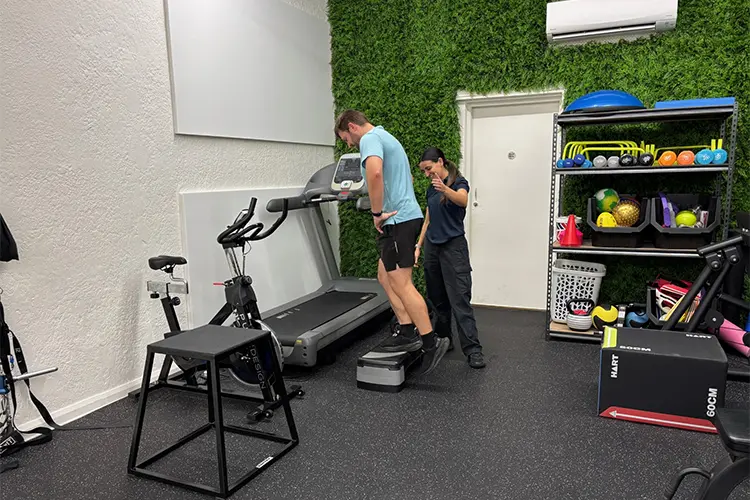
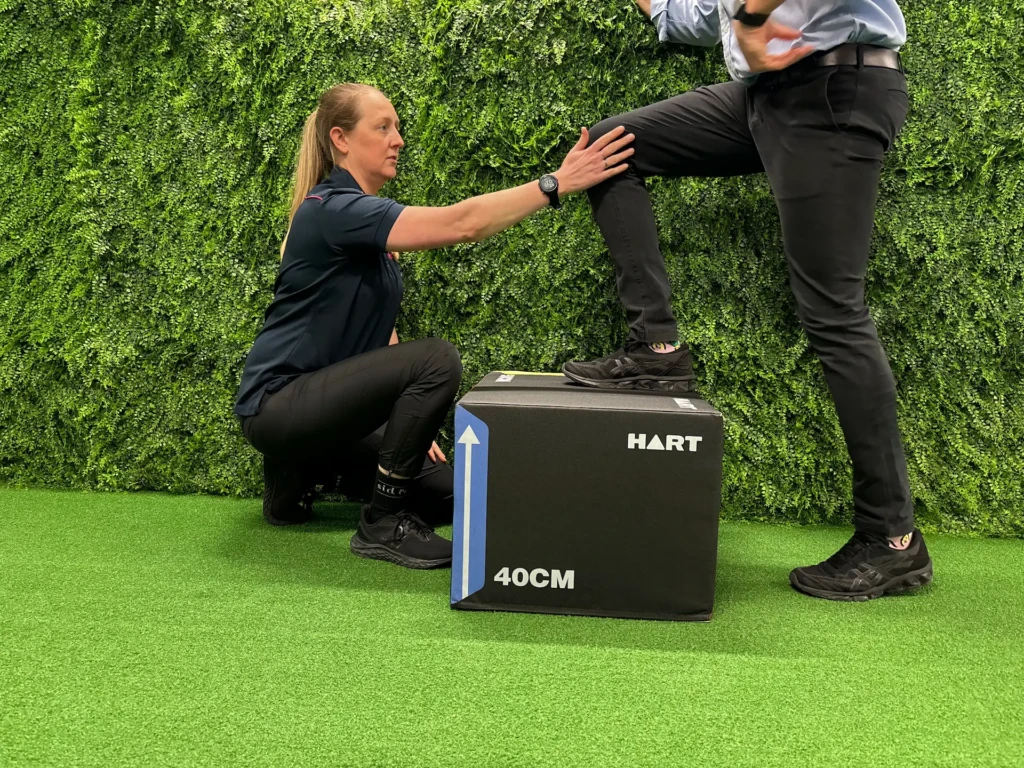
I can’t even tell you how many times we’ve seen the difference physiotherapyo makes after a knee replacement. Knee exercises are a key part of both preoperative and postoperative rehabilitation, helping to improve strength, flexibility, and recovery outcomes. It’s not optional it’s one of the most important parts of the whole process.
It’s not optional; it’s one of the most important parts of the whole process.
Research backs this up: patients who do structured physiotherapy return to normal activities faster and have better long-term outcomes. The reality is that, with the help of a physiotherapist, most patients can begin exercising their knee just hours after surgery.
Here’s what we focus on at each stage:
In Hospital (Days 1–5):
- Getting you moving safely as soon as possible
- Teaching you to walk confidently with a walker or crutches
- Showing you how to navigate stairs safely
- Gentle knee bending exercises to prevent stiffness from setting in
- Encouraging ankle movement exercises immediately after surgery to promote blood flow, reduce swelling, and help prevent blood clots
At Home Early Recovery (Weeks 1–6):
- Restoring your range of motion by gradually increasing flexion and extension
- Strengthening the muscles around the knee, especially the quads and hamstrings
- Improving your walking pattern (gait re-training)
- Hands-on therapy and guided exercise for pain management
Later Recovery (Weeks 6–12+):
- Progressive strengthening and balance training
- Building back to longer walks, swimming and cycling while staying mindful of other lower-limb issues like calf strain or muscle tears
- Getting you ready to return to work and the activities you enjoy
We’re lucky to work with so many patients who go from barely managing their day-to-day, to hiking, gardening, and getting back on the golf course. That’s why we do this.
At Physio Club, we specialise in post-surgical knee rehabilitation physiotherapy. We’ll build a program around you your goals, your pace, your life.
Possible Complications After Knee Replacement Surgery
Knee replacement surgery works really well for most people. But it’s important to go in with your eyes open. There are some risks worth knowing about.
The complication your team will talk to you about most is blood clots in the legs. They are one of the most common complications of knee replacement surgery, and are taken seriously because, if untreated, they can travel to the lungs, and are potentially fatal. Your surgeon will likely prescribe blood thinners and encourage ankle pumping exercises to keep blood flowing.
Other things that can occasionally happen:
- Infection may occur at the incision site or deep around the prosthesis. Deep infection after knee replacement may require removal of the implant and prolonged antibiotics.
- Injury to blood vessels is a rare but serious risk that can occur during surgery, potentially leading to significant bleeding or blood clots.
- Neurovascular injury, while rare, can occur during knee replacement surgery and may lead to weakness or numbness.
- Knee stiffness, particularly if rehab isn’t done consistently.
- Prosthetic loosening or implant surfaces wearing down over time (which may eventually require revision surgery).
- Ongoing pain or swelling in a small percentage of patients.
The complication rate following total knee replacement is low, with serious complications occurring in fewer than 2% of patients.
The good news? Staying on top of your symptoms, showing up to your follow-up appointments, and following your surgeon’s advice goes a long way in preventing complications before they become problems.
Diet and Nutrition for Optimal Recovery
Diet and exercise don’t get talked about enough when it comes to recovering from surgery.
What you eat after surgery genuinely affects how well and how quickly your body heals. It’s not glamorous advice, but it works.
Focus on:
- Protein to support tissue repair and muscle rebuilding
- Calcium and vitamin D for bone health
- Fruits, vegetables and whole grains to reduce inflammation and support your immune system
- Staying well hydrated helps flush medications, reduces constipation risk, and supports recovery
If you’re considering supplements like iron or vitamin C, have a chat with your GP or a dietitian first. They’ll help you figure out what’s actually useful for your situation.
Maintaining a healthy weight matters as well. Not just for recovery, but for the long-term health of your new knee joint.
When to Call Your Healthcare Provider
There is never a dull moment in recovery, but most of the time, things progress really well. That being said, there are some signs you should always act on quickly rather than waiting to see if they pass.
Call your healthcare team if you notice:
- Severe pain that feels wrong or is getting worse instead of better
- Increasing swelling, redness or warmth around the knee or incision site
- Signs of a blood clot, including chest pain, shortness of breath, or calf pain and swelling
- Fever or chills
- Your knee isn’t moving the way it should be at your stage of recovery
- Any concerns about your medications, dressings or exercises
Honest communication with your healthcare team is everything during recovery. If something feels off, reach out. That’s what they’re there for.
When Can You Go Home After Knee Replacement Surgery?
Most people stay in hospital for one to five days. Before you’re discharged, your team will want to make sure you can:
- Get in and out of bed safely
- Walk a short distance with the assistance of a walking aide
- Climb stairs (this is an important milestone, as knee replacements aim to restore mobility for daily activities like climbing stairs)
- Bend your knee to at least 90 degrees
- Understand your wound care and medication routine
- Recognise the warning signs of complications
You may need to stay a bit longer if you’ve had both knees done at the same time, if pain isn’t well controlled, or if there are other health factors to monitor. Your team will keep you in the loop.
Protecting the New Joint After Knee Replacement
Following Your Surgeon’s Guidelines
Protecting the new joint after knee replacement surgery is crucial for a successful recovery. Surgeons provide patients with a list of dos and don’ts to help prevent complications such as blood clots or infections. Adhering closely to these guidelines significantly improves the chances of a smooth recovery and reduces the risk of setbacks.
Avoiding High-Impact Activities
During the initial months after surgery, it is important to avoid high-impact activities such as running, jumping, and heavy lifting. These activities can place excessive stress on the new joint and increase the risk of damage. Instead, patients are encouraged to engage in low-impact exercises like walking, swimming, and gentle cycling. These activities help maintain the range of motion and strengthen the muscles around the knee without overloading the joint.
Working with Your Physiot Therapist
Physiotherapy plays a vital role in recovery after knee replacement. A physical therapist designs a tailored rehabilitation program that gradually increases activity levels while ensuring the new knee is not overstrained. This approach helps patients regain confidence in their knee, improve mobility, and reduce the likelihood of complications. Consistent therapy and careful progression contribute to better long-term outcomes.
Extending the Life of Your Knee Implant
Maintaining a Healthy Weight
Maintaining a healthy weight is essential for prolonging the lifespan of a knee implant. Excess body weight increases the load on the prosthetic joint, which can lead to premature wear and knee pain. Engaging in regular low-impact activities such as walking, cycling, and swimming supports weight management and strengthens the muscles surrounding the knee, promoting joint stability and function.
Managing Your General Health
Overall health management is important for optimal healing and implant longevity. Conditions such as high blood pressure and diabetes can impair blood flow and slow recovery. Smoking negatively affects healing and increases the risk of complications after surgery. Patients are advised to manage chronic conditions effectively and avoid smoking to support the health of their new knee.
Attending Follow-Up Appointments
Routine follow-up appointments with the surgeon are critical to monitor the condition of the knee implant and detect any potential issues early. Patients should report symptoms such as severe knee pain, swelling, or redness around the joint promptly. Early intervention can prevent complications and help maintain the function of the knee replacement.
Staying Active and Communicating
Maintaining an active lifestyle with appropriate low-impact exercise, managing overall health, and maintaining open communication with healthcare providers are key factors in preserving the function of the knee replacement. While the implant may not last forever, these measures help ensure many years of improved mobility and pain relief.
Frequently Asked Questions About Knee Replacement Recovery
Is there a bed rest period after knee replacement surgery?
No and this surprises a lot of people. There’s no strict bed rest period. In fact, your team will encourage you to start moving as soon as possible after surgery.
Early movement is crucial. It reduces the risk of blood clots, prevents stiffness from setting in, and speeds up recovery. Most patients start physio exercises in hospital, usually the day of or the day after surgery.
What should I avoid after knee replacement surgery?
In the first few weeks, keep your wound dry and avoid putting too much weight through your leg. As recovery progresses, most surgeons and physios recommend steering clear of:
- High-impact activities running, jumping, contact sports
- Sports with rapid changes of direction, such as soccer, basketball, netball, and skiing (if you do return to these activities, sports physiotherapy for athletes can help you manage the load)
- Prolonged sitting (more than an hour without getting up to move)
- Kneeling directly on the knee
- Uphill cycling
- Activities with a high risk of falling
These restrictions matter most in the first 6–12 months. Your surgeon and physio will guide you on when it’s safe to gradually reintroduce things.
How painful is physiotherapy after knee replacement?
It’s common to feel some discomfort during rehabilitation. Your knee has just been through major surgery, after all.
But here’s the line we draw: physio should never cause sharp or severe pain. Your physiotherapist will progress your exercises carefully, at a pace that challenges you without pushing too hard.
If you ever experience severe pain during or after exercises, stop and let your physio or doctor know. Pain that feels out of proportion is always worth getting checked.
What is the fastest way to recover from a knee replacement?
Honestly? It comes down to consistency and following the plan. Here’s what makes the biggest difference:
- Do your physio exercises every day even when it’s uncomfortable
- Follow your doctor’s and physio’s instructions carefully
- Rest when you need to and don’t push through significant pain
- Eat well and stay hydrated to support healing
- Keep moving gently, noting that short and, frequent walks beat long periods of sitting
- Show up to all your follow-up appointments
- Ask questions when you’re unsure rather than guessing
How do I shower after knee replacement surgery?
Your surgeon will give you specific instructions based on your wound dressing type. If waterproof dressings were used, you may be able to shower the day after surgery. Non-waterproof dressings usually mean waiting a few days.
Either way, the knee cannot be soaked in a bath, pool or spa for at least 3–4 weeks. Give that incision time to fully heal first.
How long does a knee replacement last?
Modern knee replacements are built to last. Research shows around a 90–95% chance of lasting 10 years, and 80–85% chance of lasting 20 years.
Your activity levels, body weight, and how well you stick to your rehab program all play a role in longevity. Take care of it, and it’ll take care of you.
How much should I walk after knee replacement surgery?
- Discharge to 3 weeks: Walk often with your walking aid. Short, regular walks are better than one long one.
- 4–6 weeks: Many patients manage 10+ minutes without a walking aid.
- 8–12 weeks: Walking several blocks is achievable. Swimming and cycling may get the green light.
- 12 months: Most activities can be resumed. Some people keep improving for up to 2 years.
What to Expect After Partial Knee Replacement Surgery
If you’re having a partial knee replacement, the recovery process is generally less intense than a total replacement and for most people, faster too. That said, it’s still a significant procedure.
You can expect:
- A hospital stay of 1–3 days (sometimes it’s a day procedure)
- Faster return to daily activities compared to a total replacement
- Less post-operative pain and swelling on average
- Physio is still required, so don’t skip that
- Regular check-ups with your surgeon to monitor the replacement will also be necessary
Life After Knee Replacement: Long-Term Tips
It is so good when we see patients come back into the clinic, months after surgery, and they are walking comfortably, back at the gym, or back in the garden. They can barely believe the difference the surgery has made. That never gets old for us.
Once your knee has healed and you’ve finished your rehab program, here’s how to look after it for the long haul:
- Keep up with low-impact exercise. Swimming, cycling and walking are all brilliant for joint health, and structuredexercise physiology programs can help you stay consistent
- Maintain a healthy weight to reduce pressure on the knee
- Avoid high-impact activities unless your surgeon has cleared you, and if you’re an endurance runner, cyclist or triathlete, work with specialist endurance athlete physiotherapy to return safely
- Don’t sit for more than an hour at a time without getting up and moving
- Continue with physio check-ins
- Let any future healthcare providers (including dentists) know you have a joint replacement. Some dental procedures may require prophylactic antibiotics to prevent infection from the mouth travelling through the bloodstream and into the prosthetic joint
- Choosing a community-focused physiotherapy provider that understands your history will make ongoing care easier
A knee replacement may never feel exactly like the original but for the right person, it genuinely is life-changing. Less pain, more movement, more freedom. That’s what it’s all about.
Ready to Start Your Recovery? We’d Love to Help
We know recovery from knee replacement surgery can feel like a long road. But you don’t have to figure it out on your own.
At Physio Club, we work with knee replacement patients at every stage from the prehab before surgery, right through to getting back to the activities you love, all within our friendly, inclusive physiotherapy practice. Our team genuinely cares about your recovery, and we’ll be with you the whole way.
We’re based in Sutherland and Engadine and see patients from right across the Sutherland Shire and surrounding suburbs. Whether you’ve just had surgery, you’re in the planning stages, or you’ve had ongoing issues since your operation, book an appointment online. We can help.