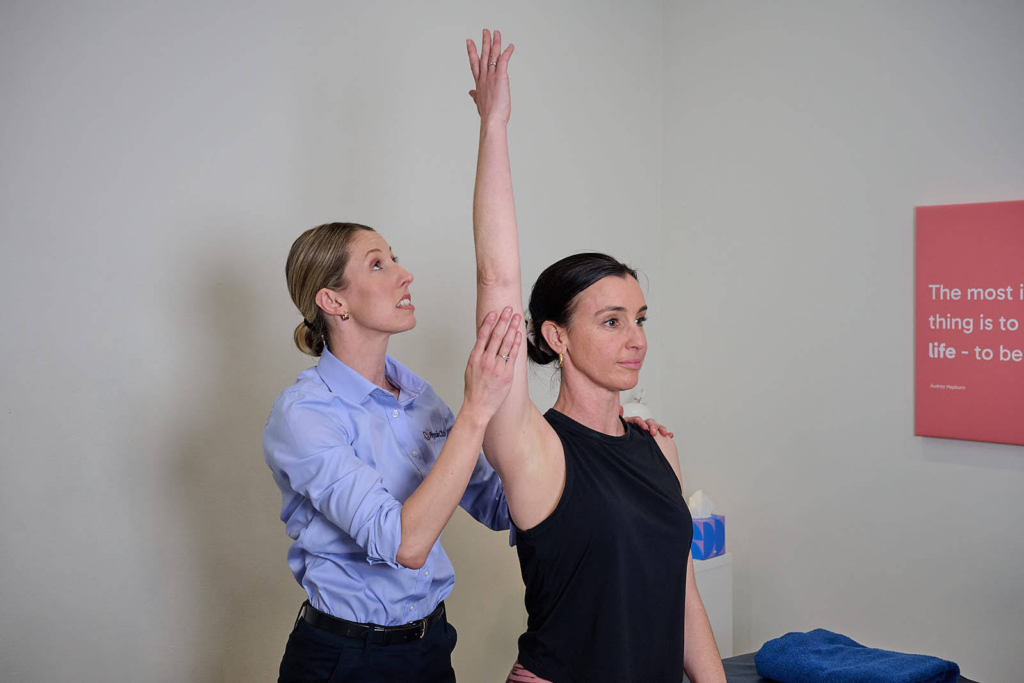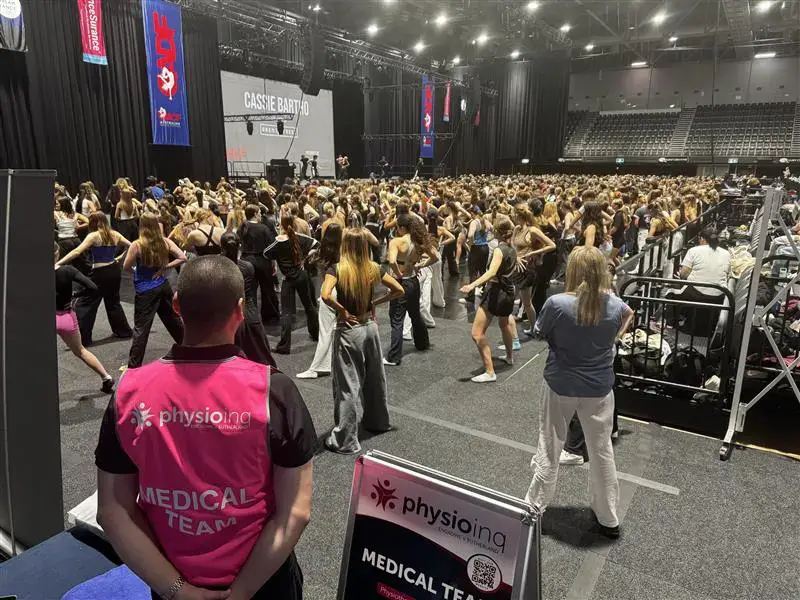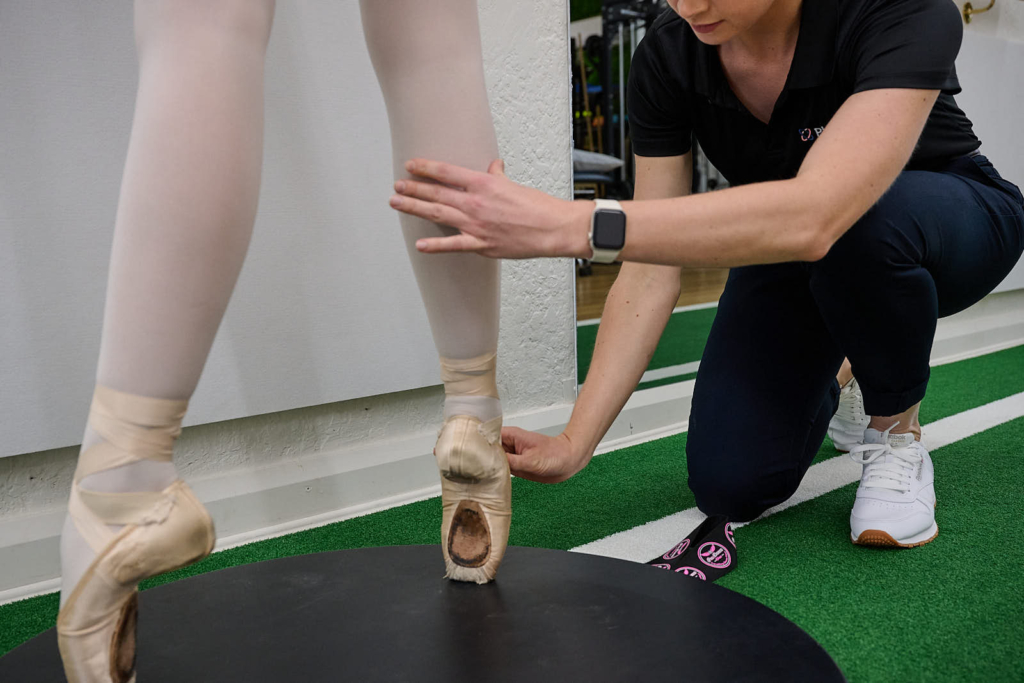
Dancers ask a lot of their bodies. Between classes, rehearsals, competitions, performances, pointe work and additional conditioning, a dancer’s weekly schedule can be physically demanding. And as dancers progress, those demands often increase.
So, how do we help the body keep up?
One important part of dancer-health is understanding the relationship between capacity and demand.
Demand is what we ask the body to do. Capacity is what the body is currently prepared to tolerate.
Building capacity isn’t simply about stretching more, training harder or becoming as strong as possible. It’s about developing the right physical qualities, managing training demands and giving the body opportunities to adapt.
Why is understanding training load important for dancers?
Dance itself is a significant training load, and understanding both the amount and intensity of training is essential when building capacity.
Not all dance hours place the same demands on the body. An hour learning choreography is very different from an hour performing full-out competition routines. Similarly, a regular ballet class may involve different physical demands compared to pointe work, acro or repeated jumping.
This becomes particularly important when something changes.
A dancer might manage their usual training schedule comfortably, but then add an extra solo, increase rehearsal hours, begin pointe work or return to their full timetable after a break.
These changes can increase demand before the body has had time to adapt.
When a dancer presents with pain, one of the first questions I like to ask is: “What’s changed recently?”
Understanding their total training load, including classes, rehearsals, conditioning and other sports, can be just as important as assessing the area that hurts.
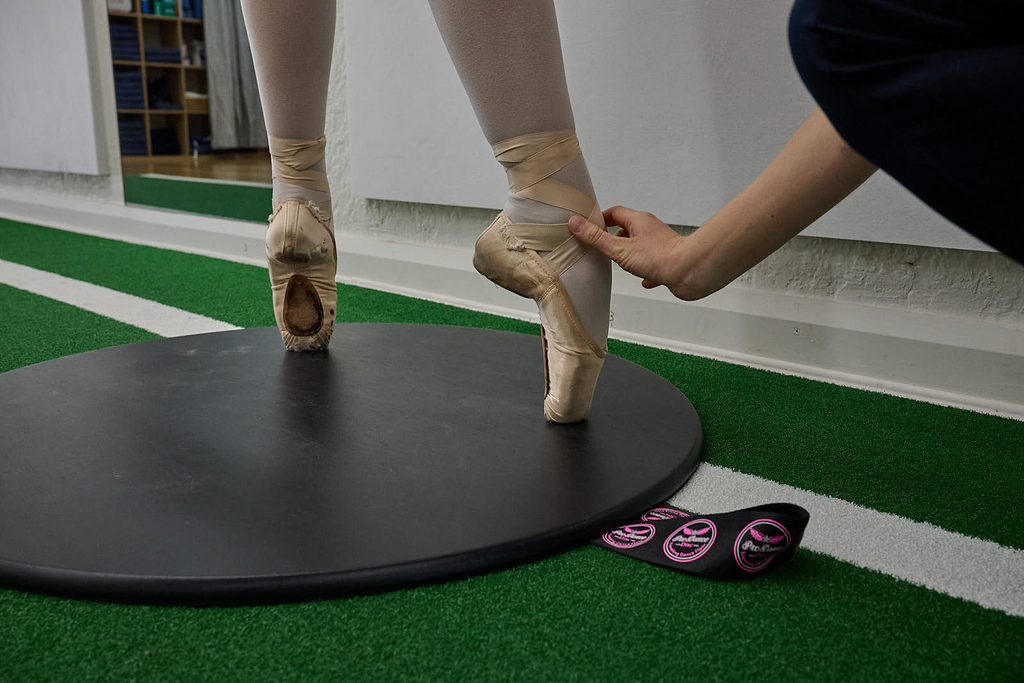
How does strength training help dancers build capacity?
Strength in dancers plays an important role in developing the physical capacity needed to meet the demands of dance.
Every jump, landing, relevé, développé and change of direction requires the body to produce and control force. Often, dancers need to repeat these movements many times, through large ranges of motion.
Research supports the benefits of strength and conditioning for improving physical qualities relevant to dance performance.
Depending on the individual, strength training may focus on:
- Calf and foot strength
- Quadriceps and hamstring strength
- Hip strength
- Trunk strength and control
- Jumping and landing capacity
- Power and muscular endurance
But there’s no single strength program that suits every dancer.
A young dancer preparing for pointe work will have different needs from a competition dancer performing multiple routines each weekend or a full-time dancer returning from injury.
The goal isn’t simply to become stronger. It’s to become stronger for what your dancing requires.
Why should strength exercises progress over time?
Our bodies adapt to what we ask them to do. If an exercise that was once challenging becomes easy, it may no longer provide enough stimulus to continue developing strength.
Progression might involve adding resistance, moving from double-leg to single-leg exercises, increasing movement range or introducing more dynamic tasks such as jumping.
This doesn’t mean every exercise needs to be difficult. It means there should be a purpose behind each exercise and a plan for progressing it.
Strength training also doesn’t need to be about ‘bulking up’. It’s about developing the physical qualities that support a dancer’s technique, performance and ability to tolerate training.
Is strength alone enough to keep dancers healthy?
Strength is important, but it’s only one part of building capacity. A dancer’s ability to tolerate training can change depending on their recovery, health and circumstances.
A dancer who usually manages their training well might experience a week of poor sleep, increased school stress, inadequate fuelling or rapid growth.
Their strength hasn’t suddenly disappeared, but their overall capacity to manage the same workload may be different.
This is why we need to consider the bigger picture, including:
- Sleep and recovery
- Adequate nutrition and fuelling
- Growth and development
- General health and previous injuries
- School, work and life stress
For dancers experiencing concerns around nutrition or fuelling, particularly where low energy availability may be involved, support from an appropriately qualified dietitian or medical professional is important.
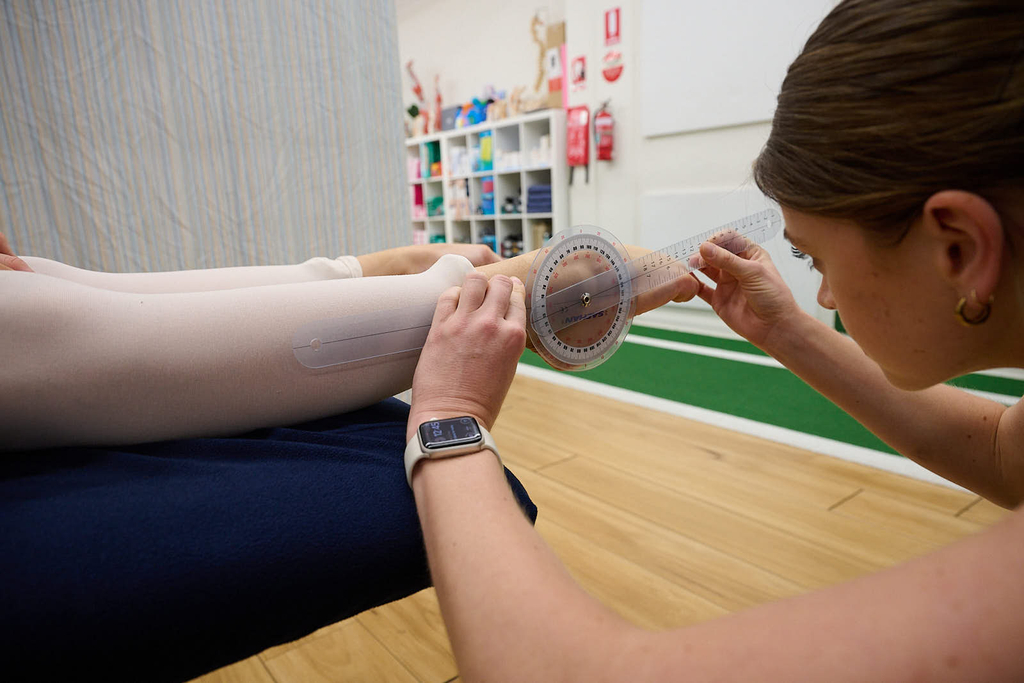
What are the signs a dancer may not be coping with their training?
Recurring pain, persistent fatigue or changes in performance can be useful signs that a dancer’s current demands may be exceeding their capacity.
Some things to pay attention to include:
- The same niggle repeatedly returning
- Recurrent ankle sprains or other injuries
- Pain that is progressively worsening
- Unusual or persistent fatigue
- Difficulty recovering between sessions
- A noticeable decline in performance
- Pain that changes how you dance
These signs don’t automatically mean you need to stop dancing completely. They do, however, suggest it’s worth investigating what’s happening.
Addressing concerns early gives us an opportunity to review strength, training load, recovery and movement before they become a bigger interruption to dance.
What can dancers do to build capacity and resilience?
Building capacity comes down to progressively developing strength, understanding training demands and making recovery part of the process.
Here are six practical foundations:
- Build strength progressively. Your strength training should develop alongside the demands of your dancing.
- Consider your total training load. Classes, rehearsals, competitions, conditioning and other sports all contribute.
- Increase demanding activities gradually. Where possible, allow time to adapt to new skills, increased rehearsal hours and higher training loads.
- Prioritise recovery. Sleep, adequate fuelling and opportunities to recover are part of training, not separate from it.
- Respond to recurring problems early. Repeated pain, injuries or fatigue are worth investigating rather than continually pushing through.
- Recognise that every dancer is different. Your training should reflect your current capacity, goals and individual dance schedule.
There is no perfect injury-prevention program, and no way to make a dancer completely injury-proof. But understanding these foundations can help dancers make more informed decisions about their training.
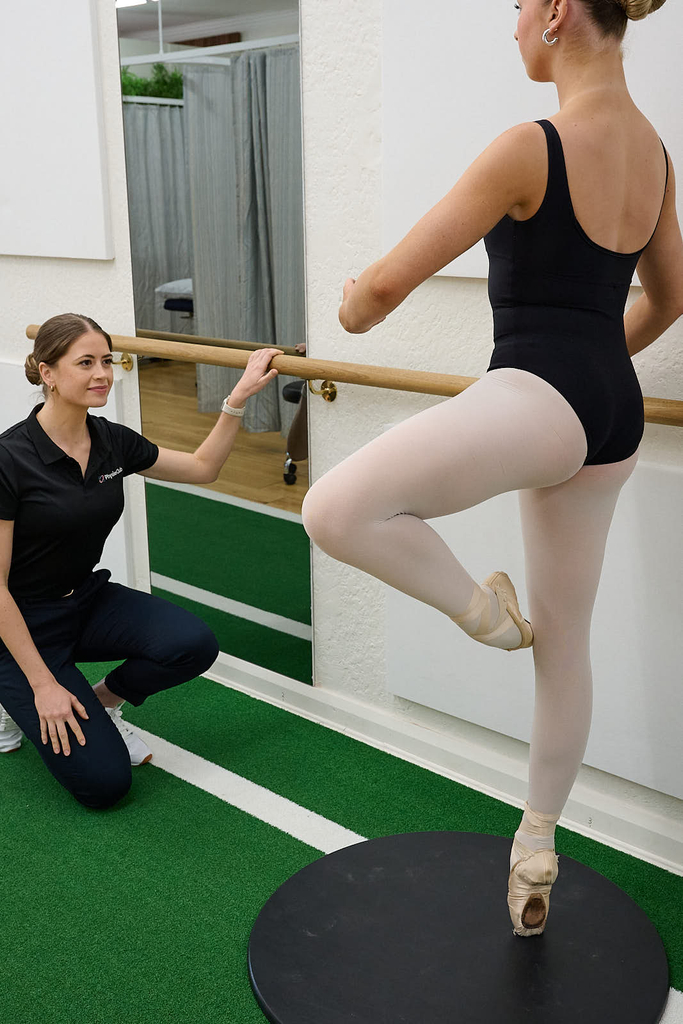
Building stronger, more resilient dancers
A resilient dancer isn’t necessarily the strongest or most flexible dancer in the room. They are also not the dancer who can push through the most pain or complete the most training hours.
Resilience is about preparing the body for the demands of dance while recognising when those demands may need to be adjusted.
At Physio Club Sutherland, our approach to dance physiotherapy goes beyond only treating the area that hurts. We look at strength, movement, training load and the broader demands of dance to help dancers understand their bodies and build capacity with confidence.
Our Dance Ambassador Program is an extension of this philosophy, supporting dancers who want to learn more about their bodies, train well and encourage positive approaches to dancer health within their communities.
Whether you’re preparing for pointe, navigating a busy competition season, dancing for the fun of it, or returning from injury, building capacity is an ongoing process, not a quick fix.
And understanding what your body needs is a great place to start.

Reference
Ngo JK, Lu J, Cloak R, Wong DP, Devonport T, Wyon MA. Strength and conditioning in dance: A systematic review and meta-analysis. European Journal of Sport Science. 2024;24(6):637–652. doi:10.1002/ejsc.12111.