Introduction
Low back pain is one of the most common health complaints in Australia. According to the Australian Institute of Health and Welfare, around 4 million Australians live with back problems at any given time, and it is one of the leading causes of disability and missed work. If you are dealing with it right now, you are very much not alone.
In this article I want to walk you through what the current guidelines actually say, when imaging is genuinely warranted, what physiotherapy looks like for low back pain, and how to figure out the right next step for you.
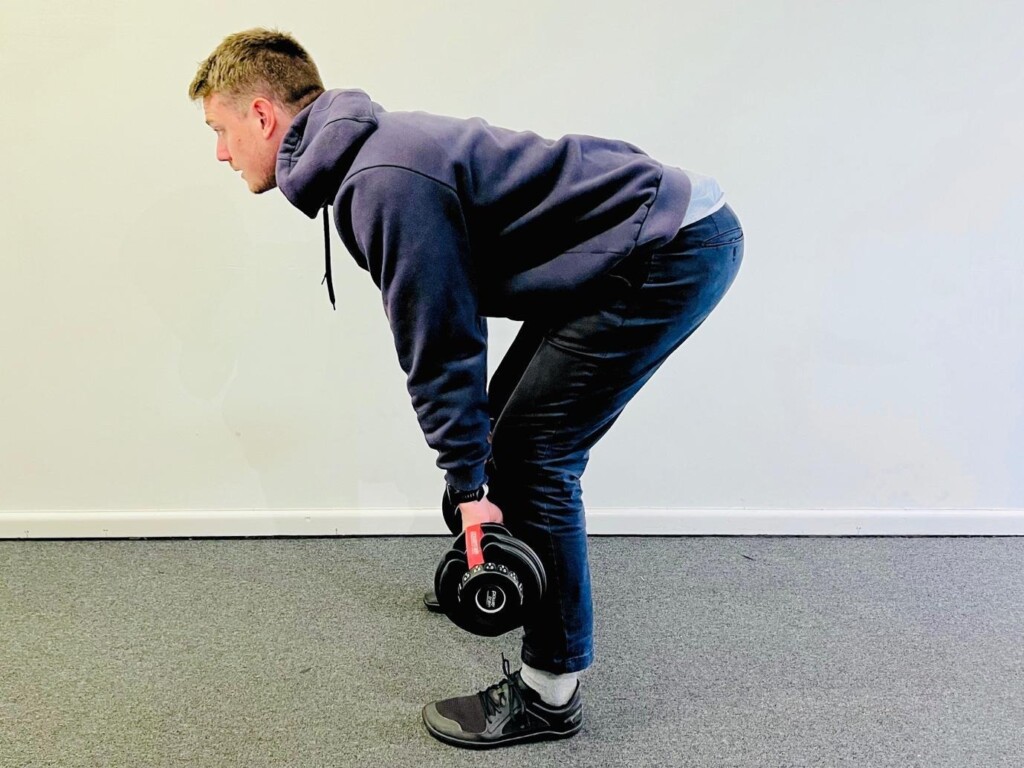
Table of Contents
- What does the research say about low back pain imaging?
- What are the red flags for low back pain?
- What type of scan do you need for back pain?
- What is radiculopathy, and does it change the picture?
- Can physiotherapy help low back pain?
- What does physiotherapy treatment for low back pain actually look like?
- Can a physio refer you for a scan?
- Low back pain in Engadine and Sutherland
- FAQs
Key Takeaways
- For most cases of acute low back pain, imaging is not recommended in the first 4 to 6 weeks unless red flags (signs or symptoms indicating a potentially serious issue) are present.
- More than 85% of people with non-specific low back pain improve with conservative management alone.
- Scans can show structural findings that look alarming but are completely normal for your age and are not necessarily the cause of your pain.
- Physiotherapy is the recommended first-line treatment for both non-specific low back pain and radiculopathy (nerve-related pain).
- Red flags like unexplained weight loss, bladder or bowel changes, or significant trauma are the signals that warrant urgent imaging.
- Physiotherapists in Australia can refer for X-rays, with Medicare coverage. MRI and CT referrals are also possible but may have out-of-pocket costs.
What Does the Research Actually Say About Imaging for Low Back Pain?
This is probably the most important thing to understand, and it is a bit counterintuitive.
The current Australian and international guidelines are clear: routine imaging for acute, non-specific low back pain is not recommended in the first 4 to 6 weeks of symptoms. That is the gold standard position backed by the best available evidence.
The Australian Commission on Safety and Quality in Health Care has published a Low Back Pain Clinical Care Standard specifically to address this. It is designed to reduce unnecessary imaging and promote evidence-based first-line care.
Here is why imaging so early in the process can actually be unhelpful:
Structural findings on scans are extremely common in people without pain
This surprises a lot of people. Disc bulges, disc degeneration, facet joint changes, and other structural findings show up on scans in large proportions of people who have absolutely no back pain. Research has shown that by the age of 40, a significant majority of people have disc degeneration visible on MRI, even if they feel completely fine.
When someone with back pain gets a scan, these findings show up and are labelled as the cause of the pain. But in many cases, they were already there before the pain started. Attaching a frightening-sounding diagnosis to a finding that may be coincidental can genuinely increase anxiety, reduce confidence in movement, and slow down recovery.
Unwarranted imaging can negatively influence recovery
This is not theoretical. Studies show that patients who receive early imaging for non-specific low back pain can end up with worse outcomes, not better. The knowledge of structural findings changes how people move, how much they fear activity, and how long they avoid things. Pain behaviours become amplified.
The vast majority of people improve without imaging
More than 85% of people with acute, non-specific low back pain improve within a few weeks with conservative management. That includes physiotherapy, appropriate activity modification, and if needed, medication for pain control. The evidence strongly supports this approach as first-line care.
So what does that mean practically? It means if you’ve had back pain for less than 4 to 6 weeks and you don’t have any of the red flags we’ll cover next, the best first step is almost always physiotherapy, not a scan.
What Are the Red Flags for Low Back Pain?
Okay, so now the important question: when does imaging become genuinely necessary?
There is a specific set of clinical red flags that indicate possible serious underlying pathology. These are the situations where imaging should happen promptly, not after a wait-and-see period.
Red flags for low back pain include:
- Unexplained weight loss, particularly if significant and unintended. This can be a sign of systemic disease including cancer.
- History of cancer, especially cancers known to spread to the spine, such as breast, prostate, lung, or bowel cancer.
- Fever or signs of infection, back pain accompanied by fever can indicate spinal infection, which requires urgent investigation.
- Bladder or bowel changes, new difficulty controlling bladder or bowel, or urinary retention, can indicate cauda equina syndrome (severe compression of the lower end of the spinal cord). This is a medical emergency that requires immediate assessment.
- Saddle area numbness, numbness or altered sensation in the inner thighs, bottom, or around the genitals is another cauda equina red flag.
- Progressive neurological deficit, worsening muscle weakness, significant loss of sensation, or wasting in the legs.
- Significant trauma, a fall from height, motor vehicle accident, or any major impact that could cause fracture.
- Age over 50 with first-ever episode, this does not mean imaging is automatic, but it warrants a more thorough assessment.
- Prolonged use of corticosteroids, which can increase the risk of vertebral fracture.
| Important note on cauda equina syndromeIf you have sudden onset of bladder or bowel dysfunction, saddle area numbness, or rapidly worsening weakness in both legs, seek emergency care immediately. This is a medical emergency and should not wait for a physiotherapy appointment or GP referral. |
If you have any of these red flags present, a physiotherapist or GP will refer for imaging promptly. If you don’t, the guideline-recommended path is conservative management first.
What Type of Scan Do You Actually Need for Back Pain?
If imaging is warranted, the next question is what kind?. Not all scans are created equal, and the right one depends on what we’re looking for.
MRI (Magnetic Resonance Imaging)
MRI is the gold standard for low back pain when imaging is indicated. It gives the most detailed picture of the soft tissue structures: discs, nerves, the spinal cord, and surrounding muscles and ligaments. It does not use radiation. MRI is the preferred investigation for suspected disc herniation with nerve involvement, spinal infections, tumours, and cauda equina syndrome.
CT scan (Computed Tomography)
CT scans are typically used when MRI is not possible or contraindicated, such as in patients with certain pacemakers or severe claustrophobia. CT is better than MRI for visualising bone detail, so it may also be used when a fracture is suspected. It does involve radiation exposure.
X-ray
X-ray is generally not the first choice for low back pain. It has poor sensitivity for most spinal pathology because it only shows bone, not soft tissue. It is insensitive for disc conditions, nerve issues, and many fracture types. X-ray may be useful when bony fracture from trauma or osteoporosis is specifically suspected, when structural abnormalities such as scoliosis or spondylolisthesis (the slipping of one vertebrae forward over the one below it) are being assessed, or as a quick initial screen in some clinical contexts.
Ultrasound
Ultrasound is rarely used for low back pain specifically. It has limited ability to image the deeper spinal structures and is generally not a useful investigation for this presentation.
The bottom line: if you need a scan, your physiotherapist or GP will help you determine which one is most appropriate for your specific clinical picture. In most cases where imaging is genuinely needed, MRI is the investigation of choice.
What Is Radiculopathy, and Does It Change the Imaging Picture?
Radiculopathy is a term that comes up a lot with low back pain, and it is worth explaining clearly because it sometimes changes the clinical picture.
Radiculopathy occurs when a spinal nerve root is compressed or irritated, usually by a disc herniation or bony narrowing of the space the nerve travels through. The nerve pain follows the path of the nerve, which is why people with low back radiculopathy often describe pain, numbness, tingling, or weakness that radiates down through the buttock and into the leg. This is commonly known as sciatica, though that term is used somewhat loosely.
Here is something that surprises many people: even with radiculopathy, imaging is often not indicated in the first 4 to 6 weeks of symptoms. The reasons are similar to non-specific back pain:
- Radiculopathy from disc herniation is usually a self-limiting condition.
- The majority of disc herniations actually resorb over time without intervention.
- Most people become significantly better within 8 to 12 weeks of symptom onset.
- Early imaging does not change the first-line management, which is physiotherapy and appropriate pain control.
The exceptions, where imaging should happen sooner for radiculopathy, are:
- When there is progressive motor weakness or muscle wasting alongside the nerve pain.
- When the pain is severe, unremitting, and not responding to any conservative measures.
- When any of the red flags listed above are also present.
For the majority of people with sciatica or radicular symptoms, the message is reassuring: physiotherapy is effective, the body has a remarkable capacity to resolve disc herniations, and most people return to full function without needing surgery or invasive procedures.
Can Physiotherapy Actually Help Low Back Pain?
How good is this question, because yes, the evidence is genuinely strong here.
Physiotherapy is recommended as first-line treatment for both non-specific low back pain and radiculopathy by the Australian Commission on Safety and Quality in Health Care, and this position is supported by a substantial body of clinical research.
The key thing I want people to understand is that physiotherapy for low back pain is not just massage or heat packs. It is a structured clinical process that addresses the actual drivers of the pain and dysfunction.
A well-delivered physiotherapy program for low back pain can:
- Reduce pain levels significantly, often within a few sessions.
- Restore movement and function.
- Help you understand what is actually happening in your spine, which itself has a powerful effect on pain.
- Build the strength and resilience to prevent recurrence.
- Get you back to work, sport, or daily activities faster.
Prognosis for low back pain under physiotherapy care is genuinely positive. The data supports this consistently. Most people with acute low back pain, even when it feels severe at the start, do very well with the right management.
I can’t even tell you how many people have walked into the clinic convinced that their back was ‘just broken’ or that they’d need surgery, and walked out months later feeling better than they had in years. That kind of turnaround is not rare. It’s actually very common.
What Does Physiotherapy Treatment for Low Back Pain Actually Look Like?
This is a practical question and one worth answering in detail, because I think people sometimes avoid booking in as they are not sure what to expect.
At Physio Club, a low back pain assessment starts with a thorough history and physical examination. We want to understand when the pain started, what makes it better or worse, whether there are any neurological symptoms, and what your life and goals look like. That context shapes everything.
Treatment for low back pain typically involves a combination of the following:
Education and pain science
This is consistently one of the most powerful interventions for low back pain, and it is often underestimated. Understanding what is actually happening in your back, why it hurts, and what the prognosis really looks like changes the way people experience pain. It reduces fear, encourages movement, and improves outcomes. We take this seriously.
Activity modification and graded return to activity
Complete rest is not recommended for most low back pain. In fact, staying active in a graded, modified way tends to produce better outcomes than bed rest. We help you work out what you can safely do, how to modify things that are aggravating your pain, and how to progressively build back up to full activity.
Manual therapy
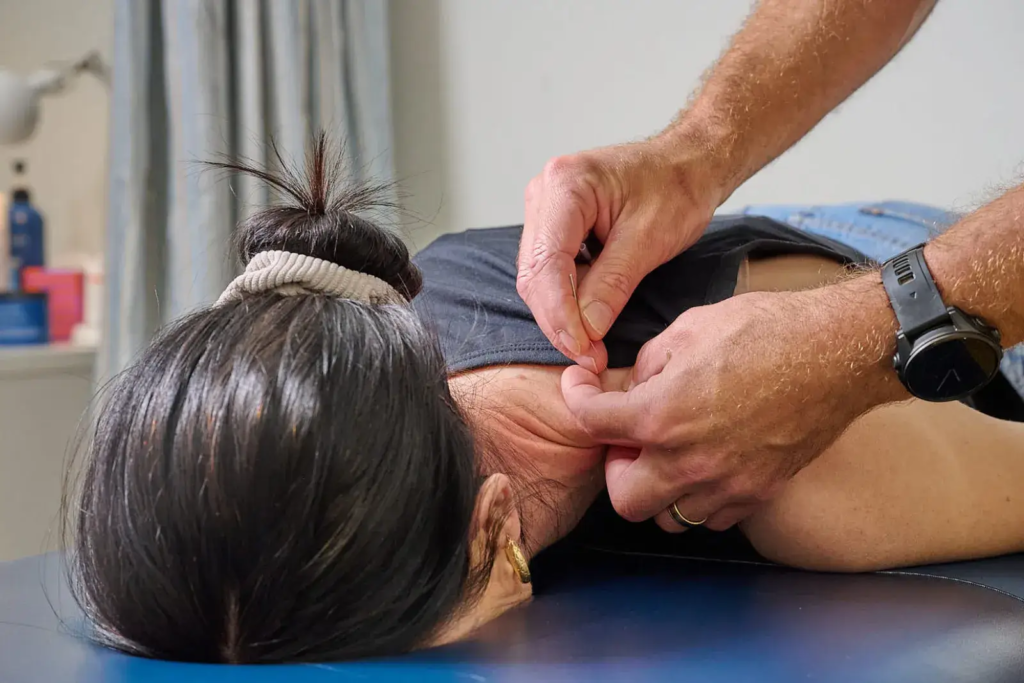
Hands-on treatment including joint mobilisation, soft tissue release, dry needling, and other manual techniques can be very effective for pain relief and restoring movement. We use these as part of a broader program, not as a standalone fix.
Exercise therapy
Exercise is the cornerstone of long-term back pain management. That includes:
- Core and lumbar strengthening exercises.
- Motor control work, which focuses on how your spine moves and stabilises under load.
- Mobility and flexibility work where appropriate.
- Functional and sport-specific loading for those wanting to return to activity.
If you’re also managing a condition like osteoarthritis alongside your back pain, the exercise principles overlap significantly and we cover those in detail separately.
The exercise program is always individualised. What works for someone returning tofrom a desk job is different from what works for someone who plays football or does physical work.
For those returning to sport, our article on pre-season training and injury prevention covers load management principles that apply directly here. Runners in particular may also find our article on ITB syndrome useful, as lower limb overuse injuries often co-occur with back pain when returning from a lay-off.
Posture and ergonomics advice
For many people, the way they sit, lift, or move throughout the day contributes significantly to their back pain. Small changes in how you set up your workspace or approach everyday tasks can make a big difference over time.
Can a Physio Refer You for a Scan?
Yes, physiotherapists in Australia can refer for diagnostic imaging. This is something that surprises a lot of people.
Here is how it works:
- X-rays: Physiotherapist referrals for X-rays are covered by Medicare. If your physio determines an X-ray is clinically indicated, you can get one without needing to go back to your GP first.
- MRI and CT scans: Physiotherapists can refer for these investigations, but Medicare does not cover the cost when the referral comes from a physio rather than a doctor. There will typically be an out-of-pocket cost. In these cases, we often recommend also seeing your GP, who can refer under Medicare if the imaging is clinically justified.
- Ultrasound: Similarly referrable, though as noted above, rarely the right investigation for low back pain specifically.
What this means in practice: if you come to see us and we believe imaging is warranted, we will not just tell you to go to your GP. We will have that conversation with you, explain our clinical reasoning, and guide you on the most efficient path to get the right investigation covered appropriately.
And if we don’t think imaging is indicated, we will explain why, clearly and without jargon, so you understand the reasoning and feel confident in the treatment approach.
Low Back Pain Treatment in Engadine and Sutherland
We are lucky to have two great clinics serving the Sutherland Shire community, and low back pain is one of the most common conditions we see and treat every single day.
The team at Physio Club includes experienced physiotherapists who specialise in musculoskeletal conditions, spinal pain, and return-to-sport rehabilitation. We see everyone from weekend warriors to office workers to tradies to older adults managing chronic back conditions.
Whether you’re dealing with a new acute episode, a flare-up of something that’s been going on for a while, or you’re not quite sure what is happening but know something is wrong, we can help you work it out.
We do thorough assessments, clear explanations, and evidence-based treatment. Not shortcuts.
You can book online here for Engadine and Sutherland. If you’re not sure whether you need to come in or just want to ask a question first, reach out. We’re always happy to have a chat.
FAQs
Do I need a scan for low back pain?
In most cases, no, not straight away. The Australian guidelines recommend against routine imaging in the first 4 to 6 weeks for non-specific low back pain unless red flags are present. Physiotherapy is the recommended first-line approach. You can read more at the Australian Commission on Safety and Quality in Health Care.
What are the red flags for low back pain that need urgent attention?
Red flags include unexplained weight loss, history of cancer, fever, bladder or bowel dysfunction, saddle area numbness, significant trauma, and progressive leg weakness. If you have any of these alongside back pain, seek assessment promptly. Bladder and bowel changes in combination with back pain should be treated as an emergency.
How long does low back pain last?
Most people with acute low back pain start to improve significantly within 2 to 4 weeks with appropriate management. More than 85% of people recover well within 6 weeks of onset. Chronic low back pain, which persists beyond 12 weeks, is a different picture and is influenced by a range of physical, psychological, and social factors.
What is the best treatment for low back pain?
The evidence consistently points to physiotherapy-led active management: education, graded activity, exercise therapy, and where appropriate, manual therapy. Staying active is better than bed rest for most presentations. A physiotherapist can tailor a program to your specific situation and goals.
Is sciatica the same as low back pain?
Not exactly. Sciatica refers to pain that travels along the path of the sciatic nerve, usually from the lower back through the buttock and down the leg. It is a symptom of nerve root irritation or compression, often from a disc herniation. It can occur with or without significant low back pain itself, and it is treated somewhat differently to non-specific low back pain.
Can a physiotherapist refer me for an MRI?
Yes, physiotherapists in Australia can refer for MRI. However, if the referral comes from a physio rather than a GP or specialist, Medicare does not cover the cost. We will guide you on the most appropriate and cost-effective path to get the imaging you need if it is clinically indicated.
Should I rest or keep moving with low back pain?
Keeping moving, with appropriate modification, is almost always better than rest for low back pain. Complete bed rest is not recommended. The goal is to stay as active as your pain allows, gradually increasing what you do as things improve. A physiotherapist can help you work out what is safe and what to avoid in the early stages.
How do I know if my back pain is muscular or from a disc?
This is a question for a clinical assessment rather than something you can reliably determine yourself. Disc-related pain often has specific characteristics like leg pain, numbness, or tingling, but not always. A physiotherapist will be able to form a working diagnosis based on your history, symptoms, and physical assessment, and determine whether further investigation is warranted.
Final Thoughts
Low back pain is incredibly common, genuinely disruptive, and, for a lot of people, quite frightening. Especially the first time it happens.
One of the things I see most often in clinic is people who have been worried about what a scan might show, or who have had a scan, been told there are ‘degenerative changes’ or a ‘disc bulge,’ and then spent months convinced their back is falling apart. In many of those cases, the findings on the scan are not actually driving the pain, and the worry about them is making recovery harder.
The research is really clear here. Most back pain improves. Physiotherapy makes it improve faster, reduces the chance of it becoming chronic, and helps you build the resilience to avoid it coming back as often or as severely.
If you’re not sure what to do next, start with a physiotherapy assessment. We’ll be straight with you about what we find, when imaging is genuinely needed, and what the best path forward looks like for your specific situation.
The team at Physio Club is here to help. Book online or get in touch if you have questions. We see this every day, and we genuinely love helping people get on top of it.
— Tom HolPhysiotherapist and Business Owner, Physio Club