Key Takeaways
- Tight hip flexors are one of the most common issues we see in-clinic, and prolonged sitting is the number one contributor. But they also affect runners, cyclists, and people who often wear high heels.
- The hip flexors are a group of muscles that connect the spine and pelvis to the thigh. When they shorten and tighten, they affect everything above and below: your lower back, pelvis, knees, and related movement patterns.
- Stretching alone is not enough. The most effective approach combines hip flexor stretching with glute and hip strengthening, which addresses the root cause of the tightness, not just the symptom.
- Key stretches include the half-kneeling lunge, butterfly stretch, frog stretch, and pigeon pose. Hold each stretch for at least 45 seconds per side for meaningful change.
- Stretching is most effective after exercise or a proper warm-up, as opposed to from cold. A foam roller before stretching helps warm and loosen the tissue.
- If hip tightness is causing pain, affecting your sport, or not responding to self-management, come and see us. There is usually more going on than just tight muscles.
Quick note: everyone is different. Please speak with your physio or doctor about your specific situation. This article is here to help you understand the topic, not replace professional advice.
I just realised that when I ask people in-clinic what their day looks like, the answer almost always includes a lot of sitting: desk work, commuting, evenings on the couch. And then at the other end of the spectrum, there are runners and cyclists who cover serious distances every week and barely think about what is happening at the front of their hips.
Both groups end up with the same problem: tight hip flexors.
It is one of the most common things we see here at Physio Club, and often people do not realise it is a tight hip that is driving their lower back pain, their stiff movement patterns, or that nagging ache they get after a long run or bike ride.
So today I want to break it down properly. What are the hip flexors, why they get tight, what that means for your body, and most importantly, what you can do about it. Both the stretches that make a real difference, and the strengthening work that actually fixes the problem long term.
What Are the Hip Flexors?
The hip flexors are a group of muscles that work together to flex the hip, meaning they bring your thigh forward and upward. The main players are:
- Iliopsoas: the combination of the iliacus and psoas major muscles (the primary and most powerful hip flexor). It runs from the lumbar spine and pelvis down to the inside of the femur (thigh bone).
- Rectus femoris: part of the quadriceps group, this muscle crosses both the hip and the knee and contributes significantly to hip flexion.
- Tensor fasciae latae (TFL): sits on the outer hip and assists with flexion as well as stabilising the pelvis.
- Sartorius: the longest muscle in the body, runs from the outer pelvis, diagonally across the thigh to the inner knee, and assists with hip flexion and rotation.
Together, these muscles are active in almost everything we do: walking, running, climbing stairs, getting up from a chair, and kicking a ball. The Cleveland Clinic describes the hip flexors as one of the most commonly injured muscle groups in athletes, precisely because of the load they absorb across such a wide range of activities. The iliopsoas, in particular, plays an essential role in lumbopelvic stability, making it not just a movement muscle but a core stabiliser.
When the hip flexors are working well, they support efficient movement and help protect the lower back. When they are tight and shortened, that balance breaks down.
Why Do Hip Flexors Get Tight?
The short answer is that the hip flexors get tight when they spend too long in a shortened position. And our modern lifestyle is very good at creating exactly that.
Prolonged Sitting
This is the big one. When you sit, your hips are flexed. The hip flexors are in a shortened position for as long as you are in that chair. Do that for eight or more hours a day, five days a week, and the muscles adapt. They become shorter, tighter, and less able to fully lengthen when you stand and move.
The evidence on this is clear. For people who sit all day, the hip flexors are in a chronically shortened position for hours at a time. The muscle adapts to that shortened length, which is why so many desk workers notice stiffness and restriction when they finally stand up and move.
Mayo Clinic recommends warming up for five to ten minutes before stretching precisely because cold, shortened muscles are less responsive and more prone to irritation.
Running and Cycling
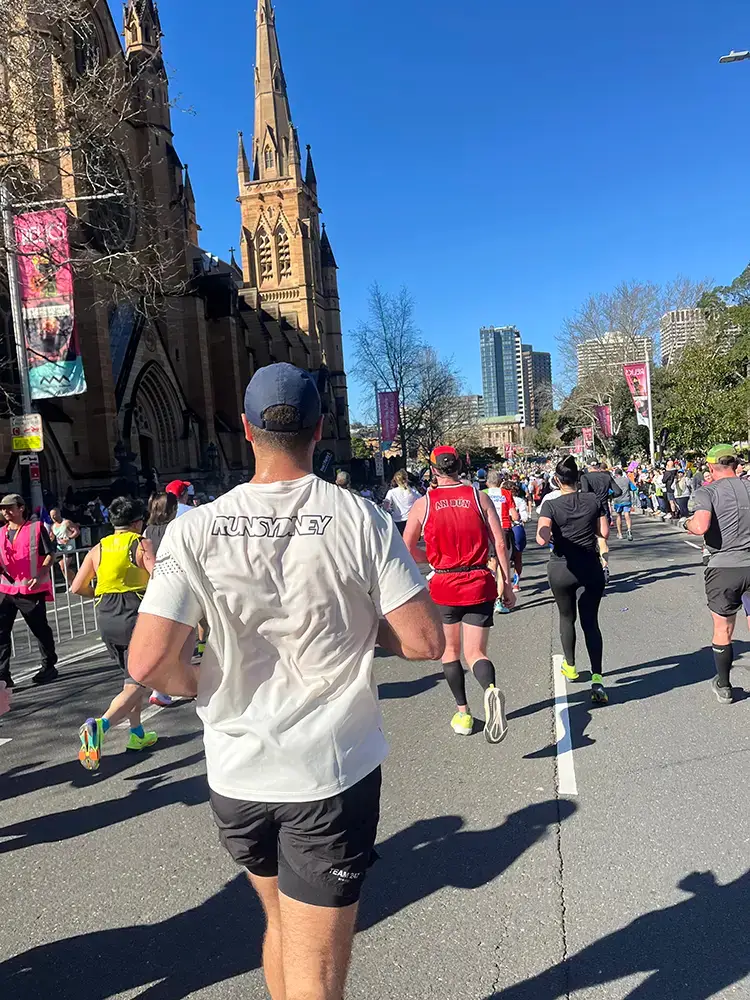
Here is the one that surprises people. Running and cycling are both repetitive hip flexion activities. Cyclists in particular spend hours on the bike with the hips held in a bent position, and the hip flexors working hard in a shortened range. Over time, without appropriate stretching and mobility work, this creates the same shortened and tight pattern as sitting.
Runners are not immune either. High training volumes without hip flexor stretching work lead to progressive tightening, which in turn affects running mechanics and is a common contributor to overuse injuries in the hip, knee, and lower back.
Other Contributing Factors
- Wearing high heels regularly tilts the pelvis forward and shortens the hip flexors
- Strength imbalances, particularly weak glutes and core muscles, force the hip flexors to overwork
- Rapid increases in training load without corresponding recovery and mobility work
- Previous hip or lower back injuries that alter movement patterns
What Does Hip Flexor Tightness Feel Like?
Tight hip flexors do not always announce themselves as hip pain. That is part of what makes them easy to miss. Here is what people typically notice:
- Stiffness or tightness at the front of the hip, especially first thing in the morning or after long periods of sitting
- Lower back pain, particularly an aching feeling in the lumbar spine related to the anterior pelvic tilt caused by tight hip flexors pulling the pelvis forward
- Tightness or restriction when walking or running, particularly when pushing the hip into full extension
- Pain or pulling at the front of the hip during exercise, especially running, cycling, or resistance training
- Knee pain, because tight hip flexors change how the entire lower limb moves and loads
- A feeling that one hip sits higher or further forward than the other
The anterior pelvic tilt that comes with tight hip flexors is worth explaining in plain terms. When the hip flexors are short and tight, they pull the front of the pelvis downward and forward. This increases the curve in the lower back (lumbar lordosis) and switches off the glutes. You end up with a posture that loads the lower back excessively and makes the whole movement system less efficient.
The Best Stretches for Tight Hip Flexors
Before we get into the stretches, here are two important points:
First, always warm up before stretching. Stretching a cold muscle is less effective and carries more risk of irritation. A five to ten-minute walk, light jog, or foam rolling session first will make your stretches significantly more productive.
Second, hold long enough to make a difference. Research confirms that stretching needs to be sustained to create meaningful change in muscle length. Aim for a minimum of 45 seconds per side, and do it every day for best results.
Foam Rolling First
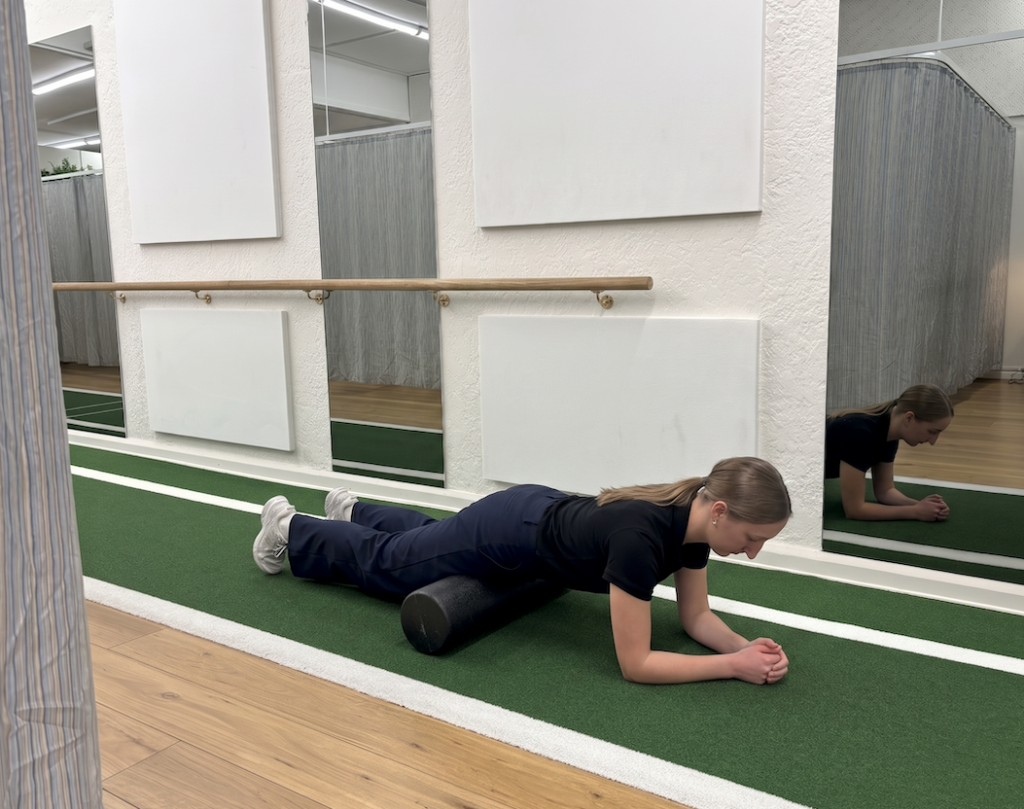
Use a foam roller to warm and loosen the hip flexor tissue before stretching. Lie face down with the foam roller positioned just below the front of the hip. Slowly roll back and forth along the front of the thigh and hip, pausing on any areas of particular tension. One to two minutes per side is enough to prepare the tissue for stretching.
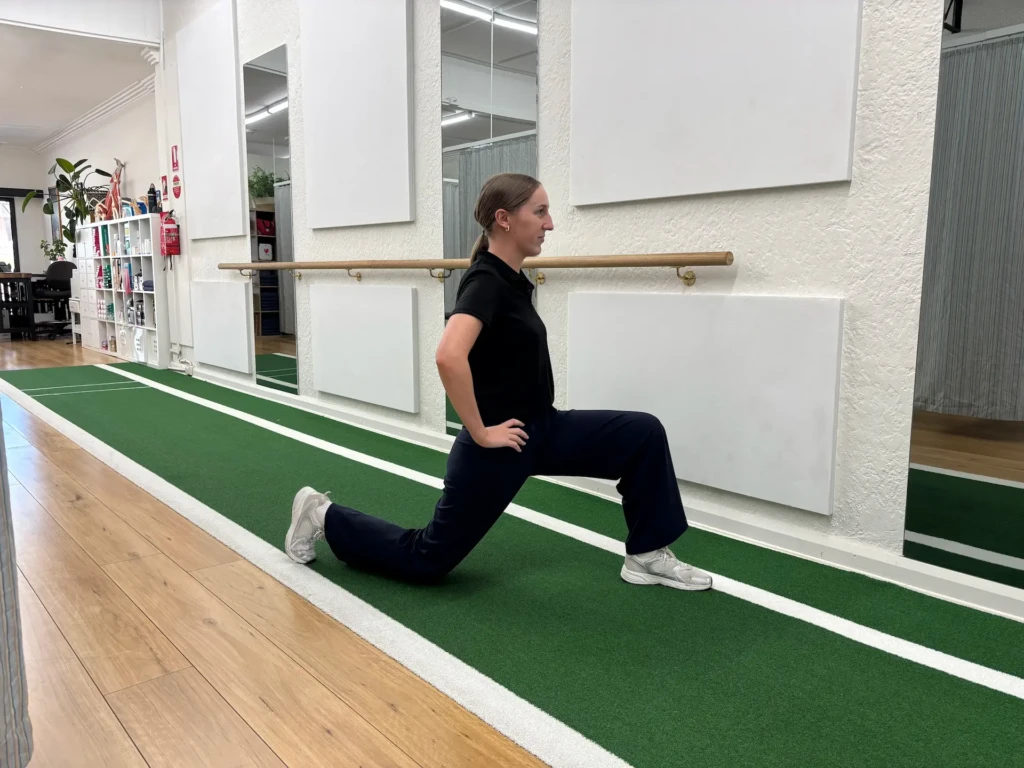
Half-Kneeling Hip Flexor Lunge
This is my favourite and the most effective hip flexor stretch for most people. It targets the iliopsoas directly and is easy to load progressively as your flexibility improves.
How to do it: Kneel on one knee with the other foot forward, both knees at roughly 90 degrees. Keep your torso upright and gently drive your hips forward until you feel a stretch at the front of the back leg’s hip. To increase the stretch, raise the arm on the same side as the back knee overhead. Hold for 45 to 60 seconds per side.
A 2025 study published in the National Institutes of Health research database specifically investigated a daily lunge and reach stretching program in adults with hip flexor tightness. It found meaningful improvements in hip flexor length and, importantly, gluteus maximus function. The stretching improved glute activation, which is exactly the combination we are after.
Butterfly Stretch
The butterfly stretch targets the inner hip and groin muscles that often tighten alongside the hip flexors.
How to do it: Sit on the floor with the soles of your feet together and your knees falling out to the sides. Sit tall, gently press your knees toward the floor, and hinge slightly forward from the hips if comfortable. Hold for 45 to 60 seconds. Avoid rounding the lower back.
Frog Stretch
The frog stretch targets the inner groin and hip flexors and is particularly useful for people with significant restriction through the inner hip.
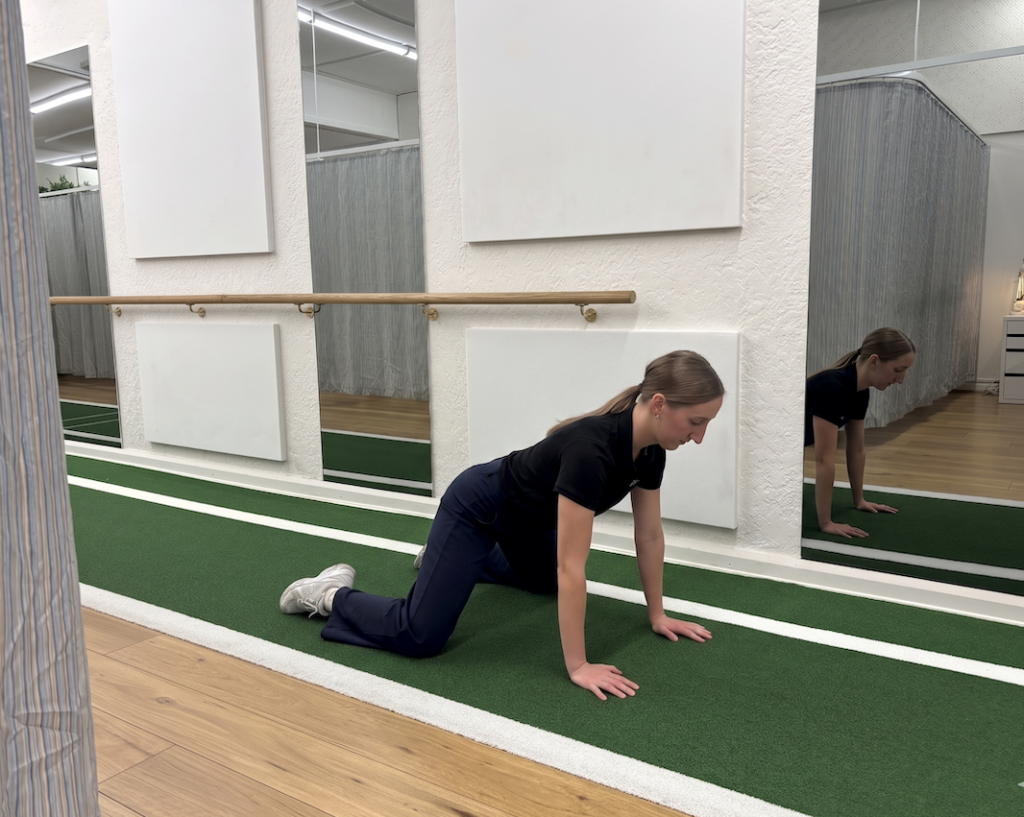
How to do it: Start on hands and knees and slowly walk your knees out to the sides until you feel a stretch in the inner thighs. Keep your ankles in line with your knees. Lower onto your forearms if you need more depth. Hold for 45 to 60 seconds. This stretch can feel quite intense, so ease into it gradually.
Pigeon Pose
Pigeon pose is a deeper stretch that targets the hip flexors on one side, while opening the hip rotators and glutes on the other side. It is a favourite in yoga for good reason.
How to do it: From a push-up position, bring one knee forward and place it behind your wrist, with the foot pointing toward the opposite hip. Extend the other leg back, straight behind you. Slowly lower your hips toward the floor. For most people, the hips will not reach the floor initially, so use your hands for support. Hold for 45 to 60 seconds per side.
If pigeon pose feels too intense, a figure four stretch lying on your back achieves a similar outcome with less load.
Standing Hip Flexor Stretch
A simple option for the office or between activities.
How to do it: Stand with feet together, take a large step forward with one foot. Keeping your torso upright, lower your back knee toward the floor and drive your hips forward gently. Hold the back of your hip for balance if needed. Hold 45 seconds per side.
A note on stretching timing: stretching is most effective after exercise or after a thorough warm-up, not first thing in the morning when the tissue is cold. If you are doing these stretches as a standalone session, spend five minutes warming up first.
Strengthening: Why Stretching Alone Is Not Enough
I want to be honest with you here. Stretching will help. But if you only stretch without addressing the underlying strength imbalances, the tightness will keep coming back.
Here is why. Tight hip flexors are almost always accompanied by weak glutes. The two are connected. When the glutes are underactive, the hip flexors are forced to compensate and take on more work than they are designed for. The result is overuse and progressive tightening.
That same National Institutes of Health research found that individuals with tight hip flexors demonstrated reduced gluteus maximus activation, and that a targeted stretching program improved both hip flexor length and glute function together. That is a really important finding because it confirms the two issues are linked and need to be addressed as a pair, not in isolation.
Exercises to Strengthen the Glutes and Hips
These exercises are particularly effective for restoring balance between the hip flexors and the muscles that oppose them.
Glute bridges: lie on your back with feet flat on the floor and knees bent, drive your hips toward the ceiling by squeezing your glutes. Hold at the top for two seconds. Progress to single-leg glute bridges as strength improves.
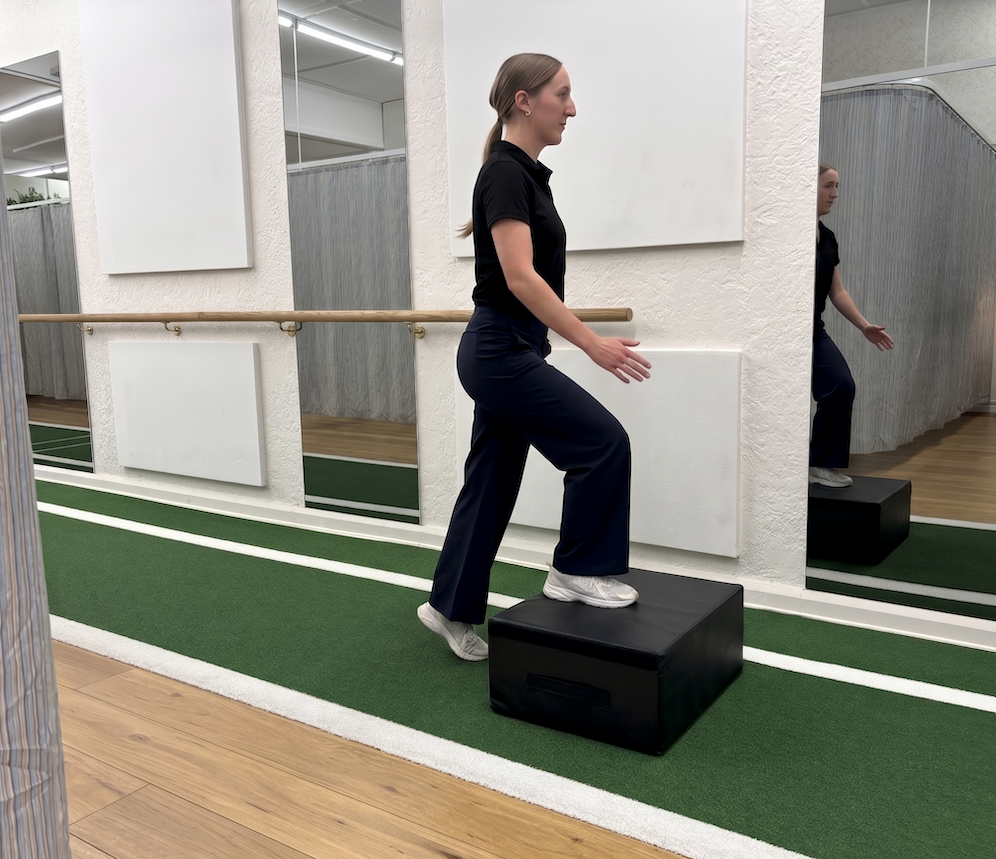
Step-ups: unilateral exercises like step-ups are excellent for loading the glutes in a way that directly transfers to walking and running. Use a step or box, drive through the front heel, and keep the movement controlled.
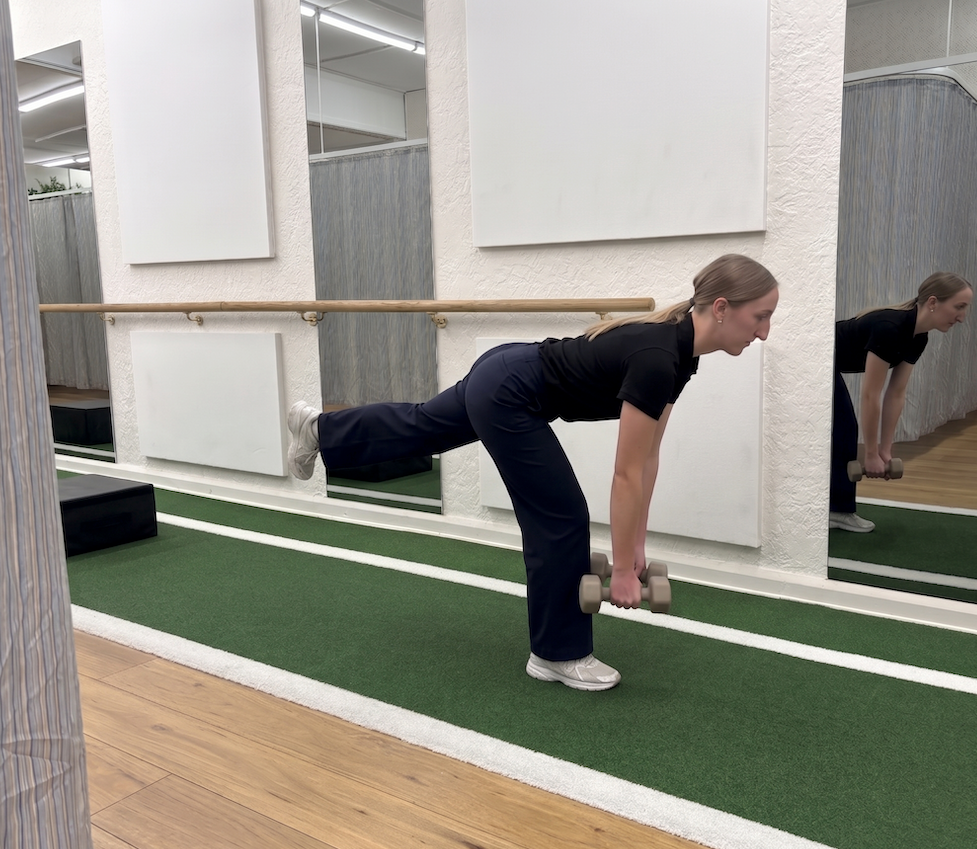
Single-leg Romanian deadlift: one of the best exercises for simultaneously strengthening the glutes and hamstrings while challenging balance and hip stability. Start with bodyweight and progressively add load.
Walking lunges: target the glutes, quads, and hip stabilisers together. Focus on keeping the torso upright and the front knee tracking over the second toe.
Lateral lunges: add a frontal plane movement that works the hip abductors and adductors, which are often neglected in standard training programs.

Air squats and split squats: excellent for overall lower limb strength with a particular emphasis on the glutes and hip extensors when performed with good technique.
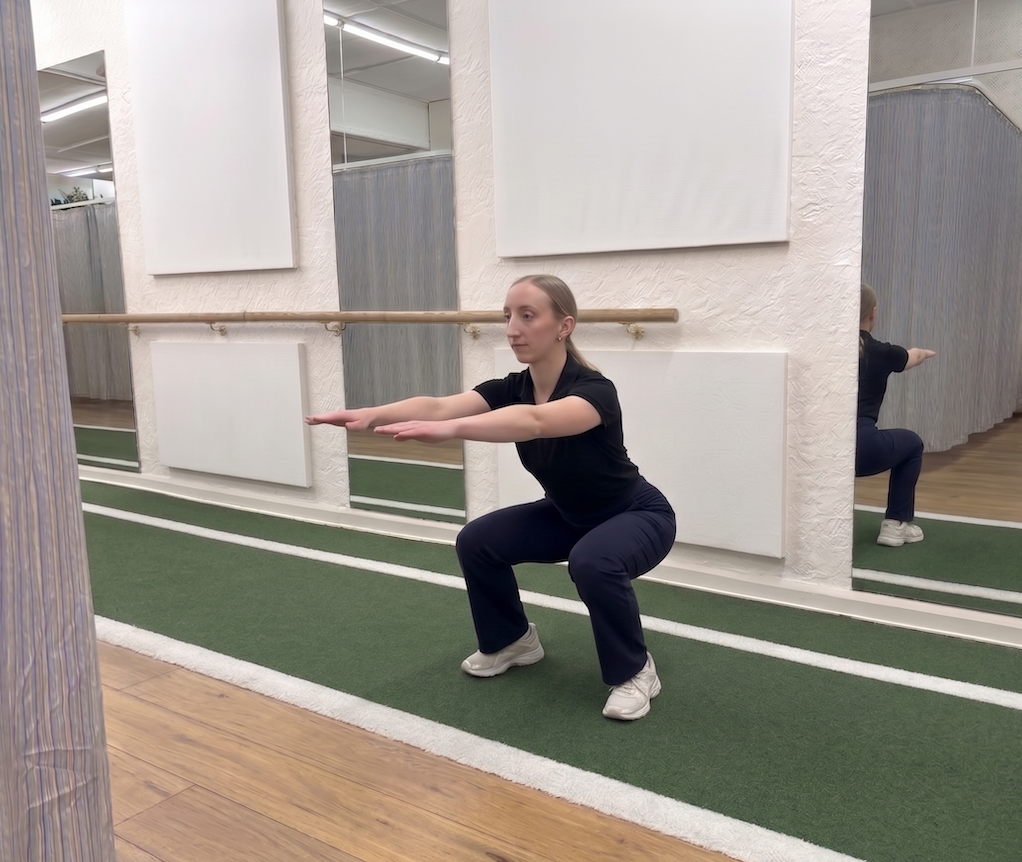
The goal is not just to loosen tight hip flexors. It is to create a well-balanced, strong lower limb that does not need to compensate in the first place.
A Note for Runners and Cyclists
If you run or cycle regularly and you have not built hip flexor stretching into your routine, I can almost guarantee this is affecting your performance and your injury risk.
For runners, tight hip flexors limit hip extension in the push-off phase of the stride. That restriction reduces stride length, increases lower back loading, and is a common contributor to hamstring and knee injuries.
For cyclists, the hip position on the bike means the hip flexors are rarely lengthened during training. Add in the hours in the saddle, and you have a recipe for progressive tightening. Many cyclists come into the clinic with lower back pain that traces directly back to hip flexor tightness that has gone unaddressed for months or years.
The fix is the same for both: consistent hip flexor stretching after every session, targeted glute and hip strengthening, and a bike fit review for cyclists to check that the position is not making the problem worse. More on our Bike Fit services here
If you are a runner or cyclist with hip or lower back pain, our sports physiotherapy team can assess your movement patterns, identify what is driving the problem, and put together a specific program for you.
The Best Thing Is to Avoid Tightness in the First Place
I can’t even tell you how many people come in and say they have been dealing with tight hips for years. And the truth is that a small amount of daily maintenance would have prevented most of it.
Here are the habits that make the biggest difference:
- Take regular breaks from sitting. Stand up, walk around the office, or the block, every 30 to 60 minutes. This alone changes the trajectory for most desk workers.
- Warm up the hips before exercise, every time. A few minutes of hip circles, leg swings, and bodyweight lunges take the tissue through its full range before you load it.
- Stretch the hips after exercise, every time. This is when it matters most and when the tissue is most responsive.
- Include glute strengthening in your training program. Strong glutes mean the hip flexors do not have to overwork.
- Check your footwear. High heels and flat, unsupportive shoes contribute to altered hip mechanics over time.
- If you cycle, get a professional bike fit. A riding position that is too low at the front or too stretched out will drive hip flexor tightness regardless of how much you stretch.
If you are already at the point where tightness is causing pain, affecting your training, or just not improving despite your best efforts, please come and see us.
Tight hip flexors are very treatable, but they rarely resolve completely without addressing the whole picture: the mobility, the strength, the movement patterns, and the training load. That is what we do.
Ready to get your hips sorted? Book directly online at Physio Club Sutherland or Physio Club Engadine, or book online here. If you have questions before booking, get in touch, and we will point you in the right direction.
References and Further Reading
The following peer-reviewed sources were referenced in this article.
- Mayo Clinic: A Guide to Basic Stretches
- Cleveland Clinic: Hip Flexor Strain: Symptoms, Treatment and Recovery
- National Institutes of Health (PMC): Improved Hip Flexibility and Gluteal Function Following a Daily Lunge-and-Reach Stretching Intervention (2025)
This article is intended as general information only and does not replace professional medical advice. If you are experiencing hip or lower back pain, please speak with a qualified physiotherapist or healthcare provider.