Peptide injections have become a popular topic in health, fitness and rehabilitation. They’re being discussed for everything from improving recovery and tissue healing to building muscle and managing inflammation. Naturally, this has led to more patients asking whether Injectable Peptide Therapy could play a role in recovering from an injury.
As physiotherapists, I think it’s important that we stay curious about emerging treatments while also looking carefully at what the evidence actually tells us. Peptides are certainly interesting, and there are some promising theories behind them. But promising in theory doesn’t necessarily mean they’re ready for everyday clinical use.
What is Injectable Peptide Therapy?
Injectable Peptide Therapy involves injecting synthetic peptides with the aim of influencing processes such as tissue repair, inflammation, hormone signalling and recovery. Peptides themselves are short chains of amino acids that act as signalling molecules, or little “messengers”, within the body.
Peptides aren’t new. Insulin, for example, was discovered in 1921 and became the first therapeutic peptide. What has changed more recently is the way other peptides are being promoted through the wellness, anti-ageing and performance industries.
When we talk specifically about Peptides in Physiotherapy and Injury Rehabilitation, there are three main groups that tend to come up:
- Growth Hormone Secretagogues (GHS): designed to stimulate the release of growth hormone and increase IGF-1, which is involved in cell growth and development.
- Thymic peptides, including TB-500: marketed for their potential role in recovery, inflammation and new blood vessel formation.
- BPC-157: often described as a “healing peptide” and promoted for tissue repair and remodelling.
The proposed mechanisms sound encouraging. These peptides have been suggested to influence collagen production, inflammation, blood supply, natural hormone release and regenerative pathways. However, there is an important distinction between a treatment having a plausible biological mechanism and it having enough clinical evidence to recommend it to patients.

What does the evidence say about peptide injections for injuries?
At this stage, the evidence supporting peptide injections for musculoskeletal injuries in humans is very limited. Much of the research behind commonly discussed peptides comes from animal or laboratory studies rather than high-quality human clinical trials.
Research into GHS has shown some encouraging findings in animal studies, including effects on bone-forming cells and bone mineral density. This has led to discussion around potential future applications for conditions such as osteoporosis and age-related muscle changes. However, these potential uses remain theoretical, and the research is not currently strong enough to support their routine use for musculoskeletal conditions.
Similarly, research involving thymic peptides has identified possible anti-inflammatory and pain-relieving effects in animals, but this has not translated into sufficient evidence to recommend TB-500 for human use.
BPC-157 has some limited human research. One small retrospective study involving 16 people with different types of knee pain reported improvements among some participants following injections. However, the study was small, retrospective and uncontrolled, making it difficult to draw reliable conclusions from the results.
So, while there are interesting findings in laboratory and animal research, we simply don’t yet have strong clinical evidence showing that commonly marketed peptide injections improve musculoskeletal injury outcomes in humans.
Are peptide injections safe and approved in Australia?
There are still important safety and regulatory questions surrounding the peptides commonly promoted for injury rehabilitation. Long-term effects are not well understood, and the source material also highlights concerns around the pathways these substances may activate and their potential relationship with tumour growth.
Another consideration is regulation. The peptides discussed here are not approved by Australia’s Therapeutic Goods Administration (TGA) for routine musculoskeletal rehabilitation, and access may require a valid prescription.
This becomes particularly important when products are promoted or purchased online. Something being readily available does not automatically mean it has been proven safe, effective or appropriate for an individual.
If you’re considering any injectable therapy, it’s worth discussing it with an appropriately qualified healthcare professional, such as a GP, so you understand the current evidence, possible risks and how it may relate to your individual circumstances.
Should peptides be part of physiotherapy and injury rehabilitation?
Based on the evidence we currently have, peptide injections are not ready to become a routine part of physiotherapy rehabilitation. There is simply too much we still don’t know, particularly when it comes to high-quality human research and long-term outcomes.
I can understand why these treatments are appealing. When you’re injured or have been dealing with pain for a long time, the possibility of something that may help you heal faster can sound exciting. But rehabilitation rarely comes down to one treatment or a quick fix.
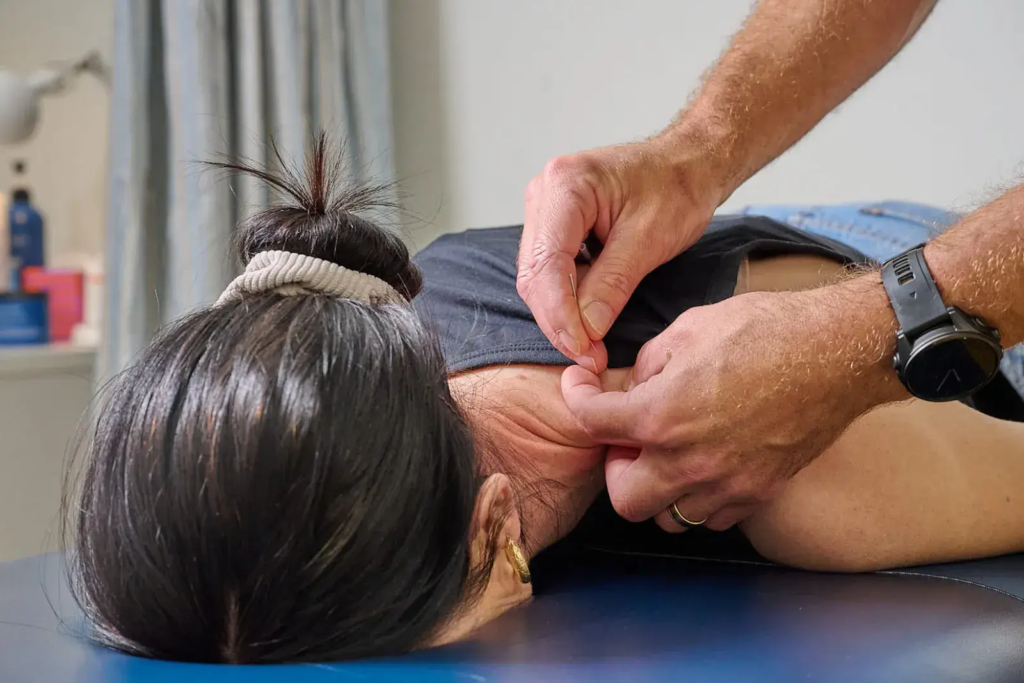
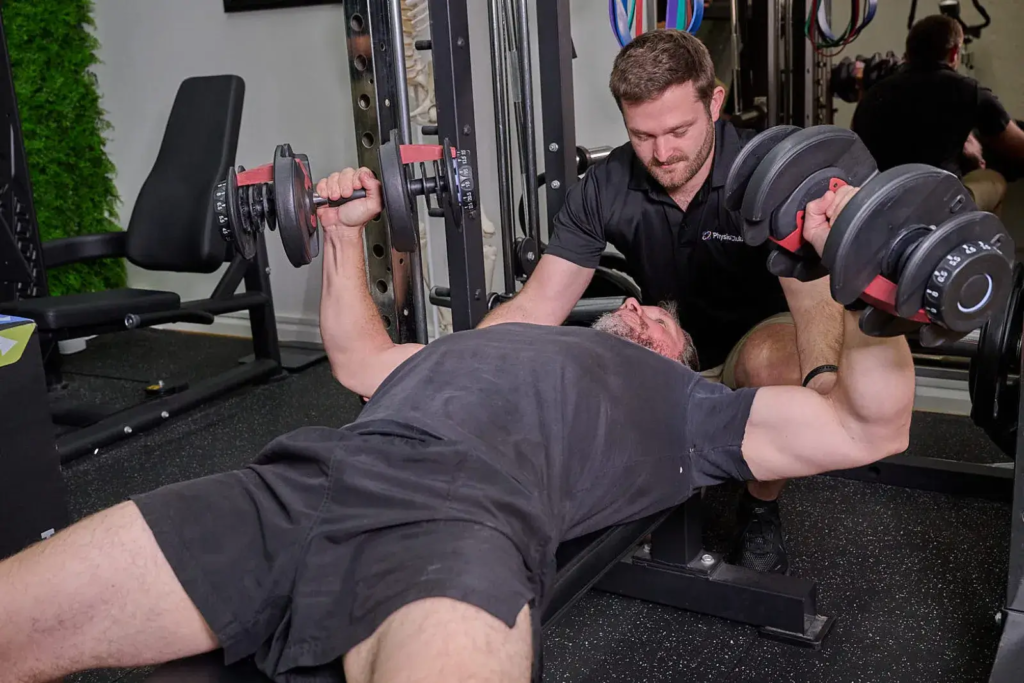
At Physio Club Engadine and Sutherland our focus remains on building an individualised rehabilitation plan around the approaches for which we have stronger evidence. Depending on the person and their injury, this may include progressive loading, targeted exercise, education and graded exposure back to the activities that matter to them.
The goal isn’t simply to treat a sore area. It’s to understand the person, their injury and their goals, and gradually build their confidence and capacity to move again.
What is the bottom line on Injectable Peptide Therapy?
Injectable Peptide Therapy is an interesting and developing area, but right now the evidence for musculoskeletal injury rehabilitation is insufficient. There are biologically plausible mechanisms and encouraging findings from animal research, but we need much stronger human evidence before these treatments can be confidently integrated into routine physiotherapy care.
That doesn’t mean peptides should be dismissed forever. Research continues to develop, and if these therapies become clinically validated in the future, we can consider how they might be safely incorporated into rehabilitation on an individual basis.
For now, our focus remains on evidence-informed, personalised rehabilitation that helps you gradually build strength, movement and confidence to get back to the things that matter to you.
About the Author
This article was written by Grace Lovelock, Physiotherapist at Physio Club Engadine and Sutherland.